Portfolio, Page 11

List of articles

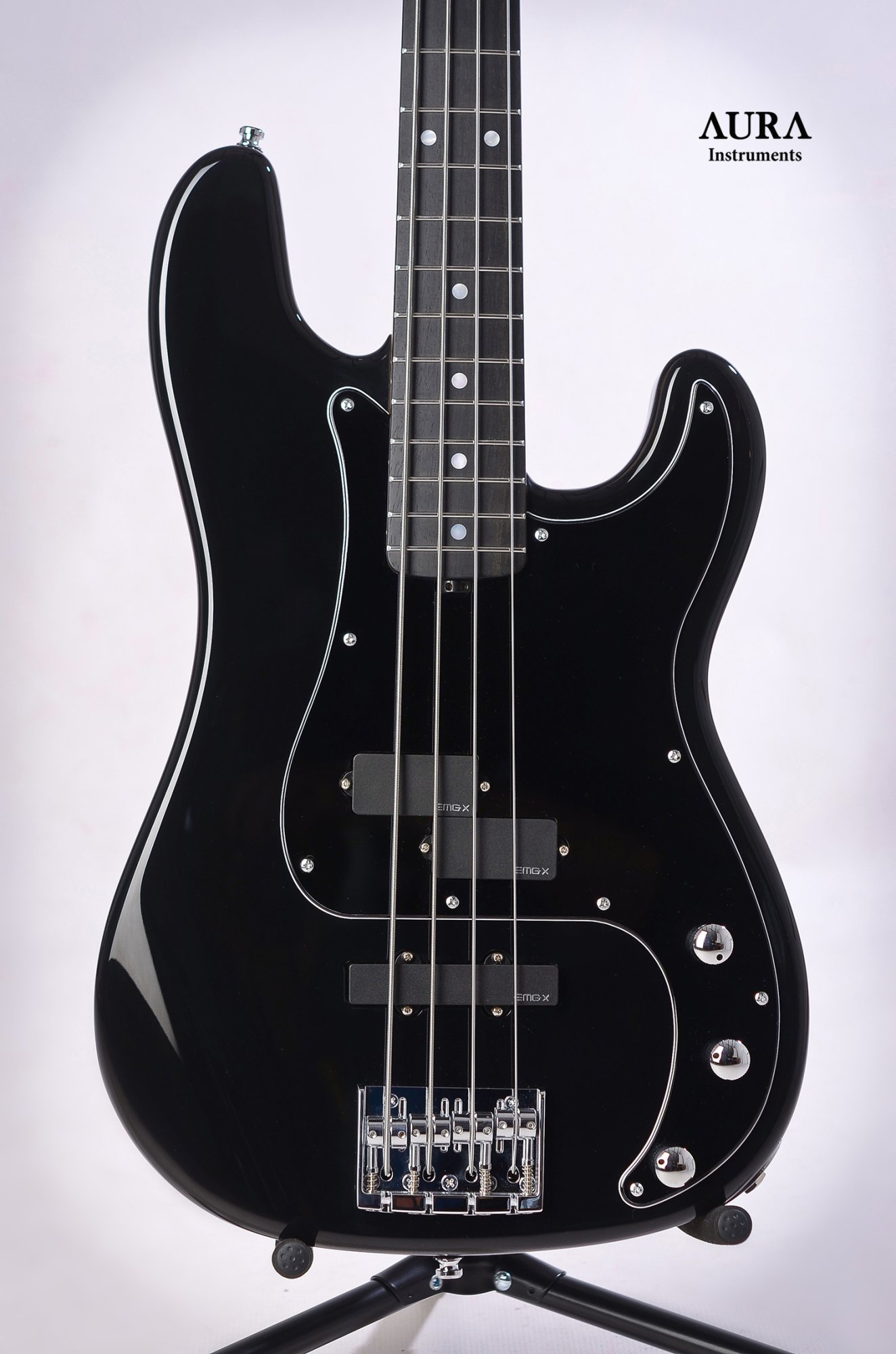
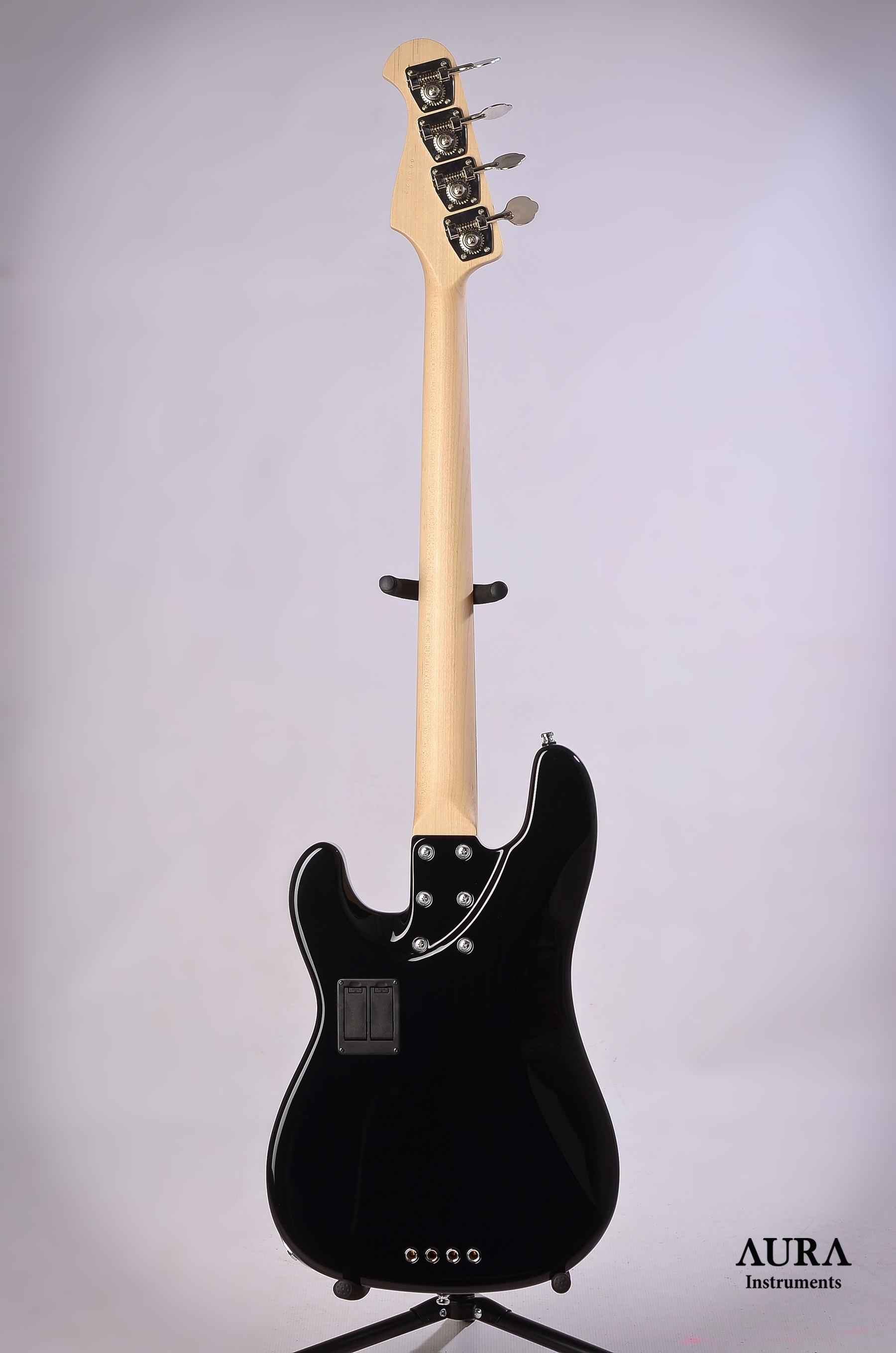
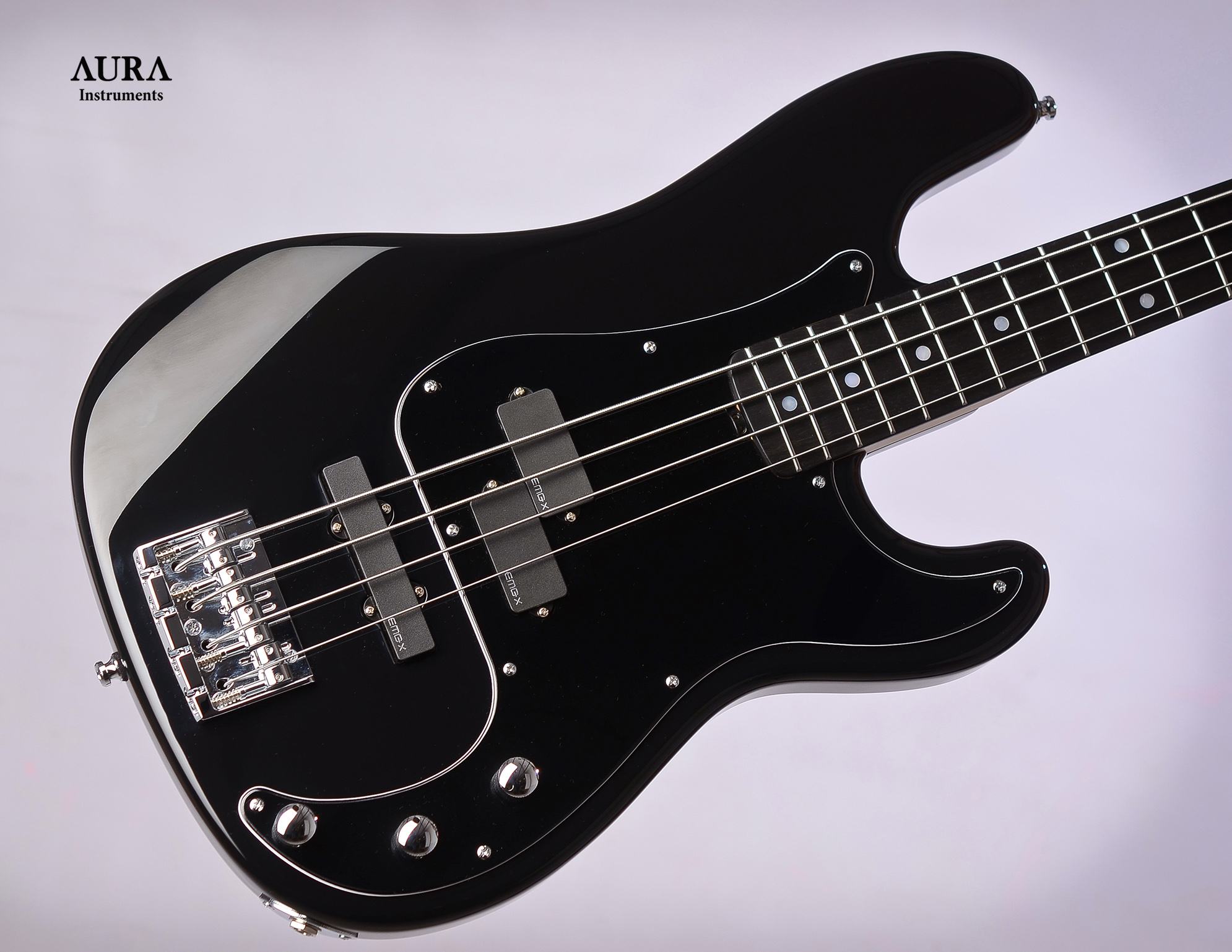
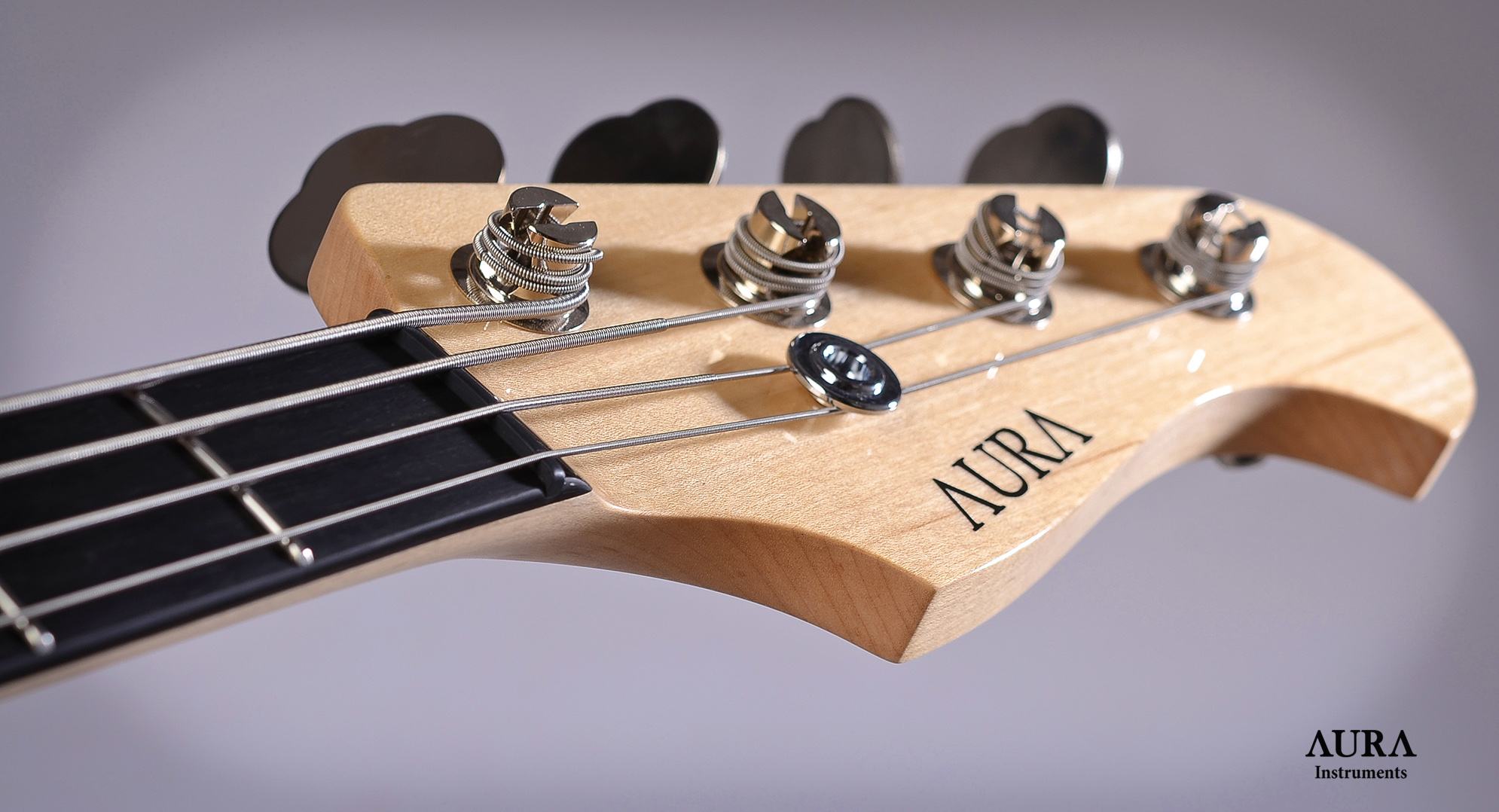
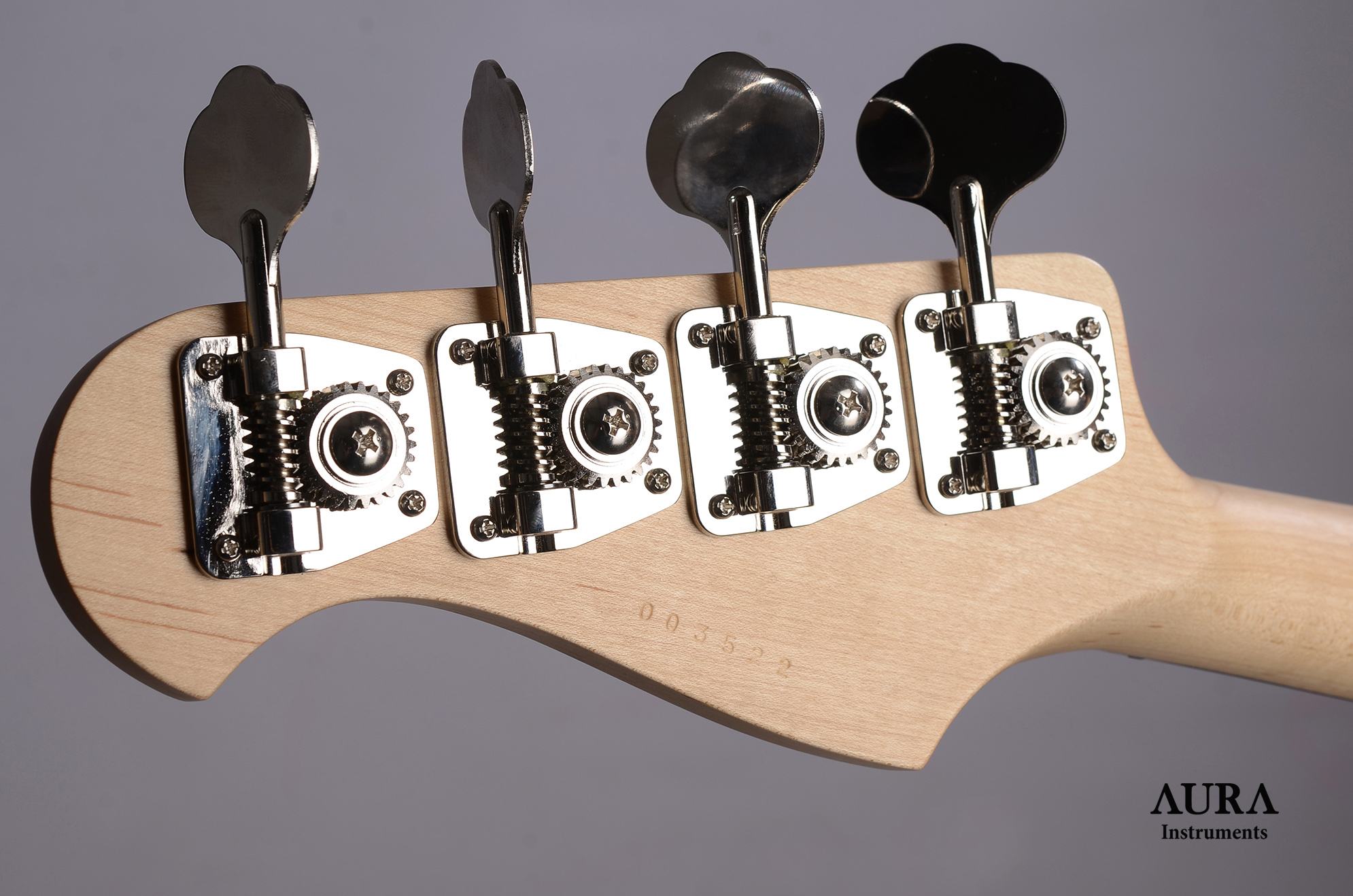
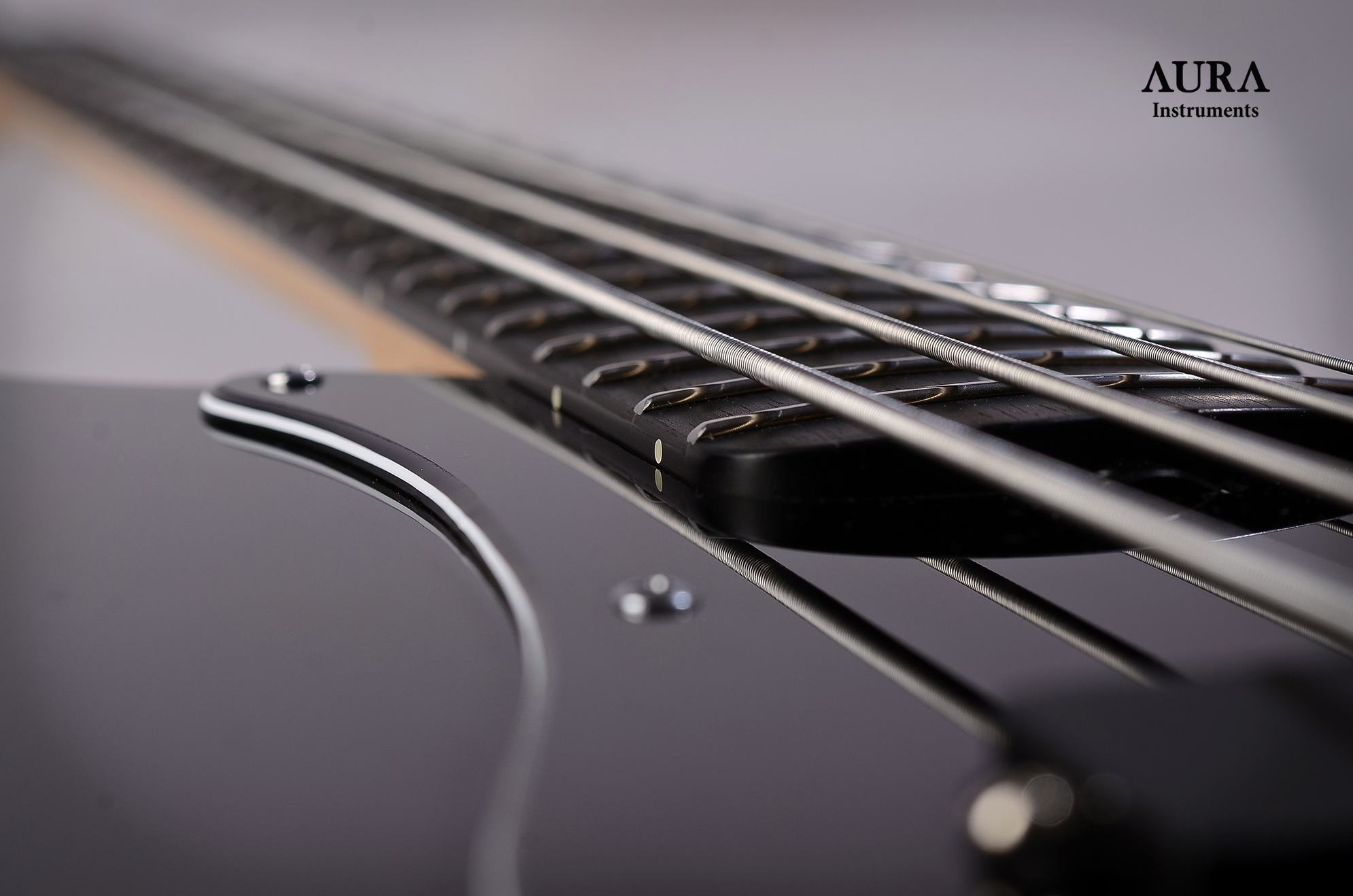
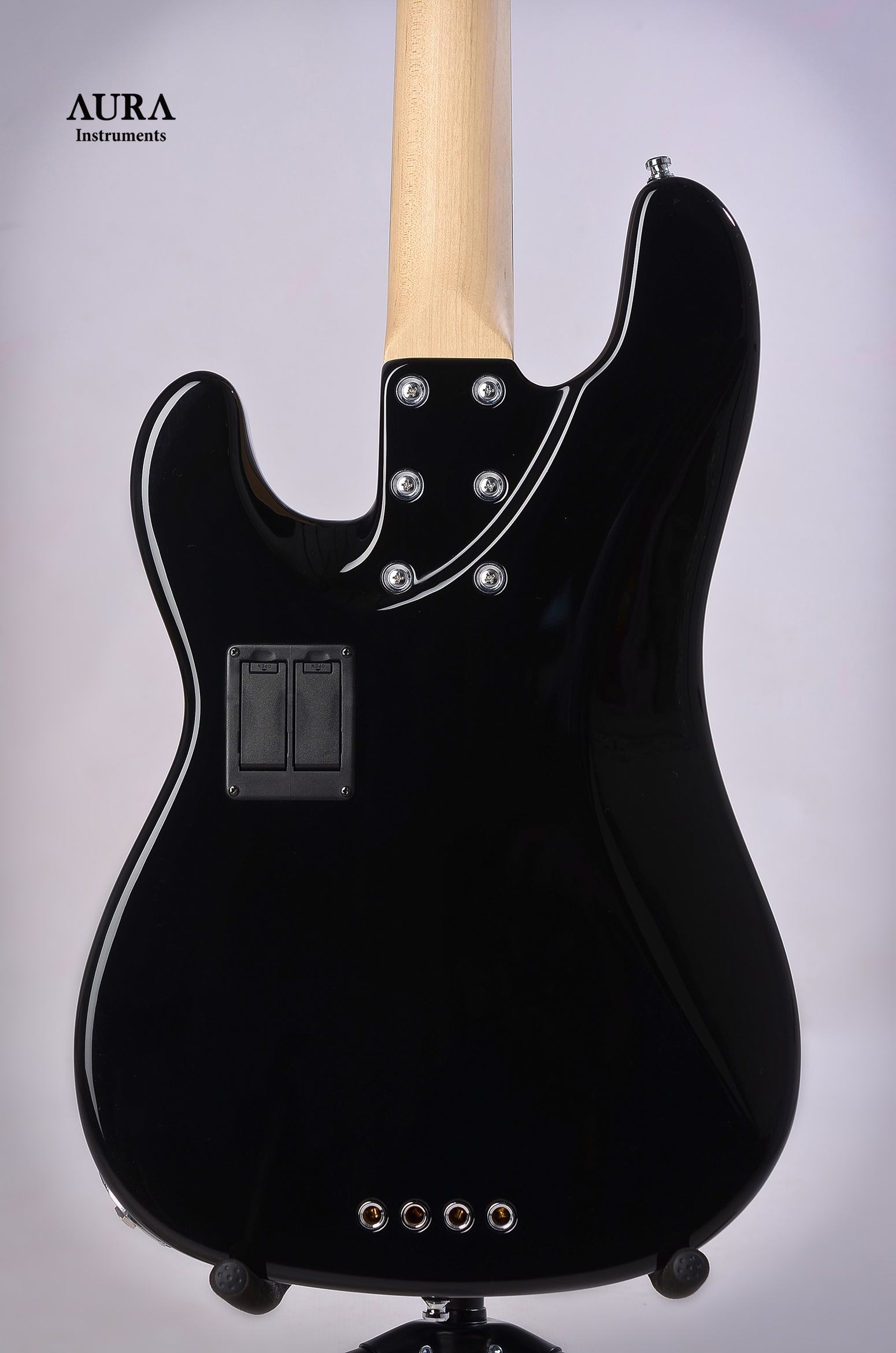
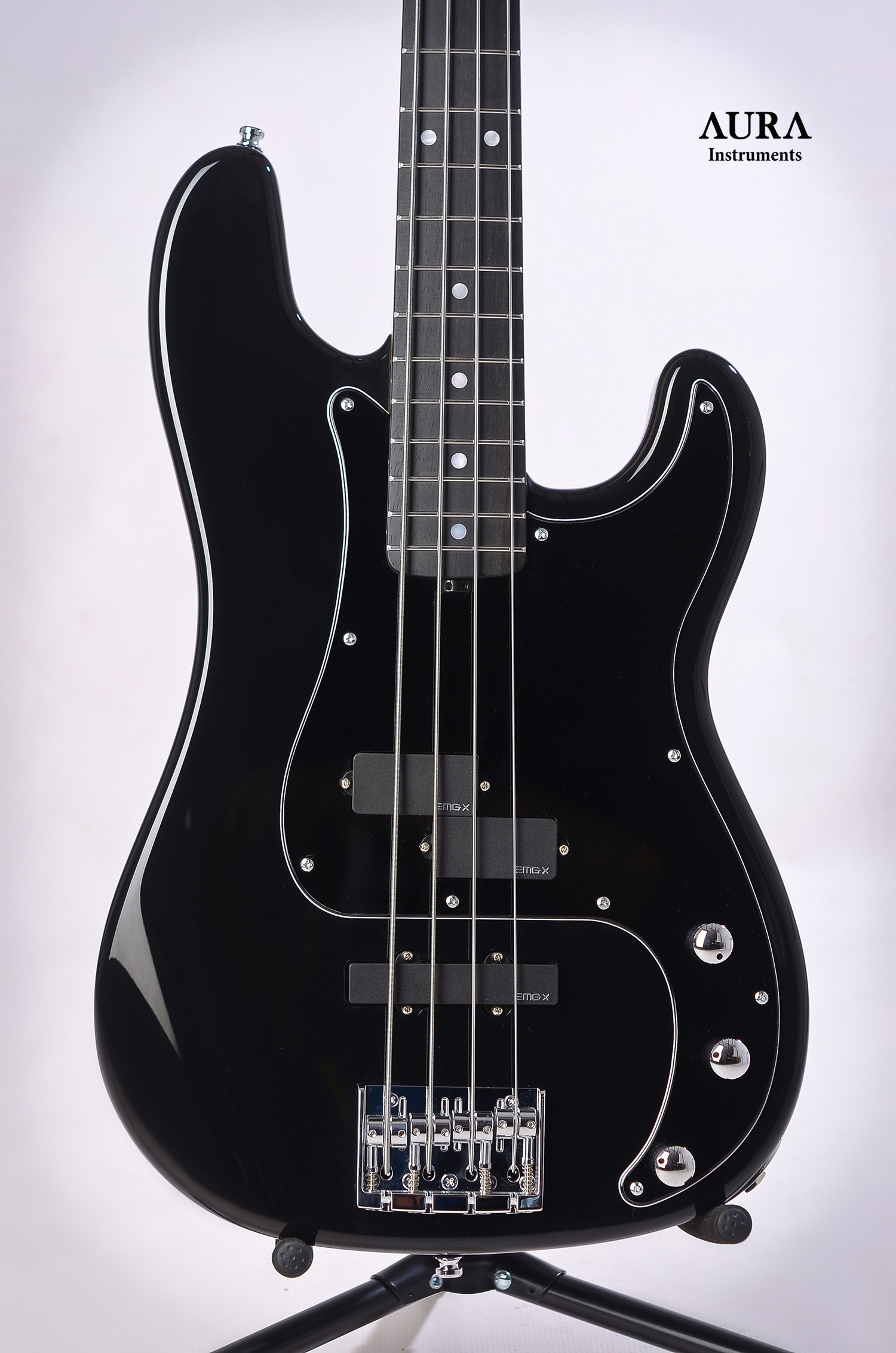
Aura Bass SH 4 strings

Aura Bass SH is a handmade bass guitar featuring a hard maple neck, EMG PJX active pickups, and a Graphtech nut.

Used components:

  • Neck: Hard Maple Quart Canada
  • Body: Alder USA
  • Fingerboard: Ebony special
  • Machine Head: Gotoh
  • Bridge: Gotoh 19 mm + Strings through the body
  • Pickups: EMG PJX SET
  • Frets wire: 2.4 SS Stainless Steel
  • Frets: 21
  • Scale: 34"
  • Electronics: 1x Volume, 1x EMG ABCX Active Balance Control, 1x Tone
  • Nut: Graphtech 38.5 mm
  • Strings: 045 - 105 DR
  • Finish: High Gloss, Neck Nitro Lacquer
  • Weight: 4.5 kg
Price: €2250.00

Ready to build the instrument of your dreams?

Customize the exact specs in our configurator, or contact us directly about this product.

Read article
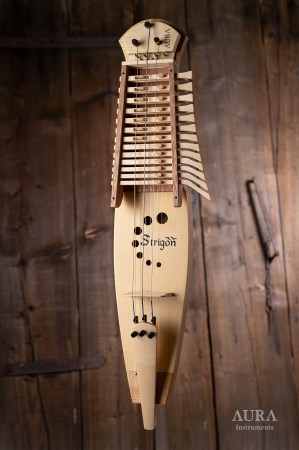
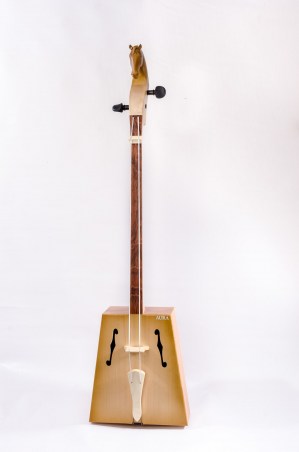
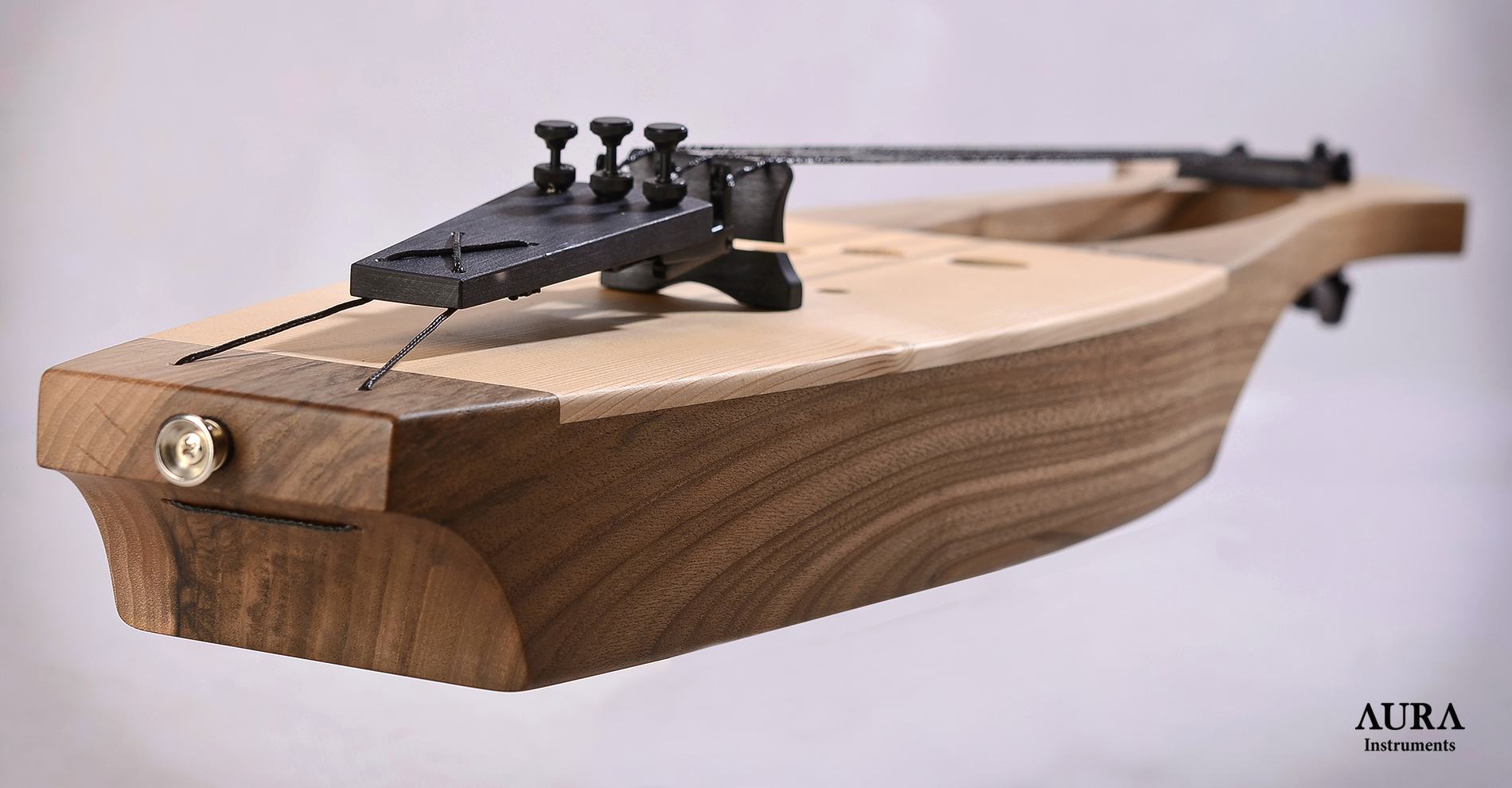
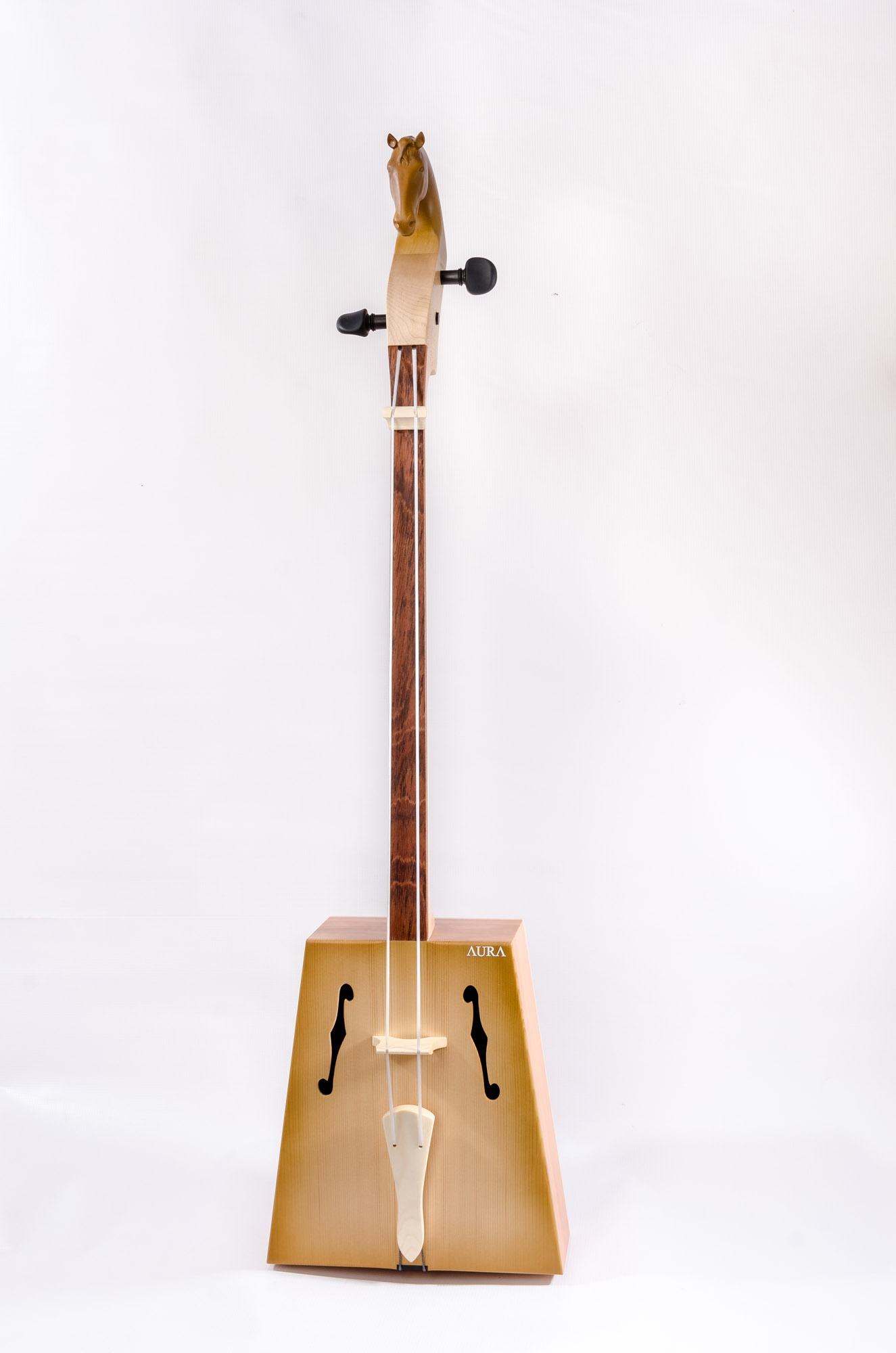
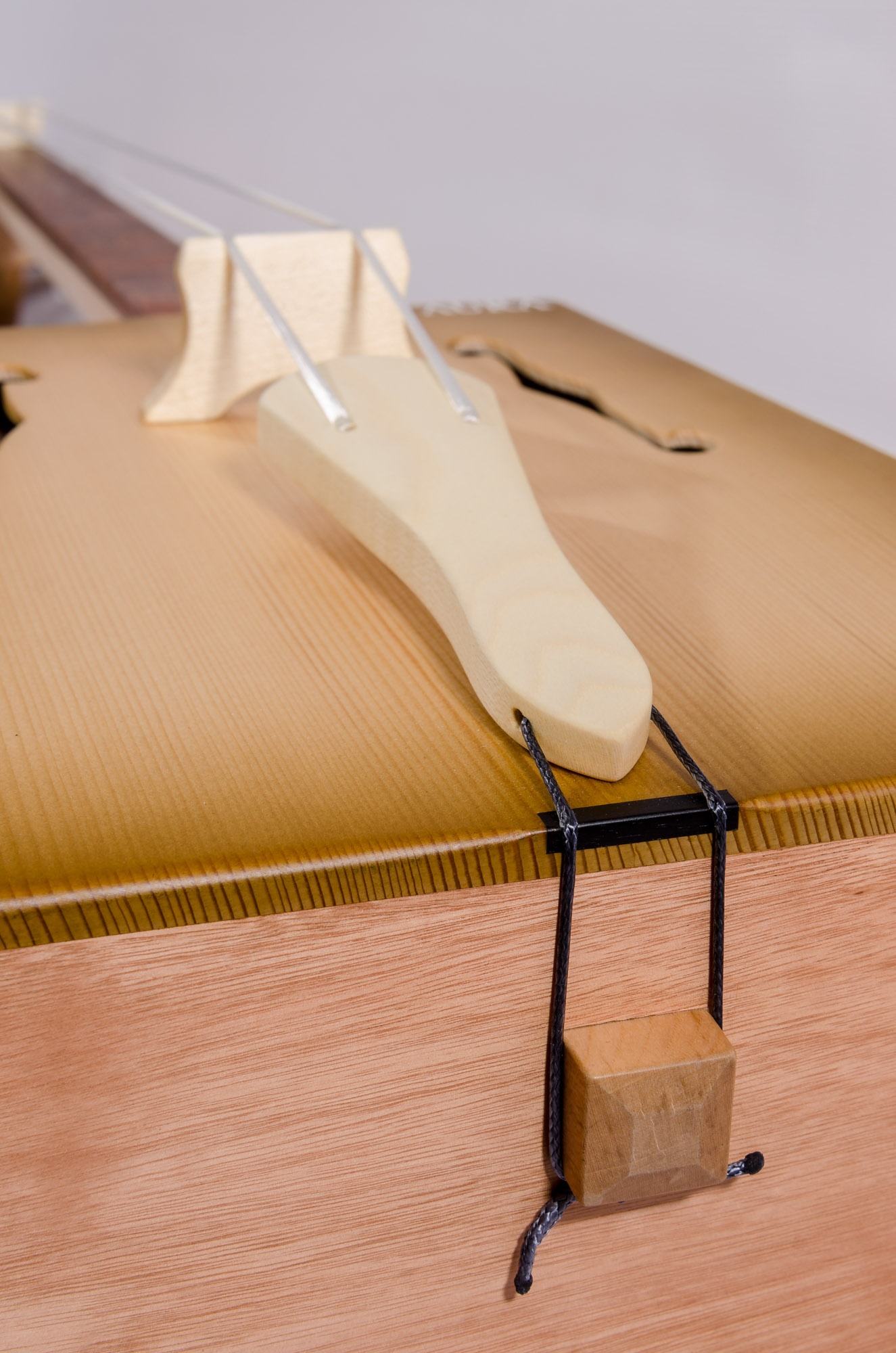
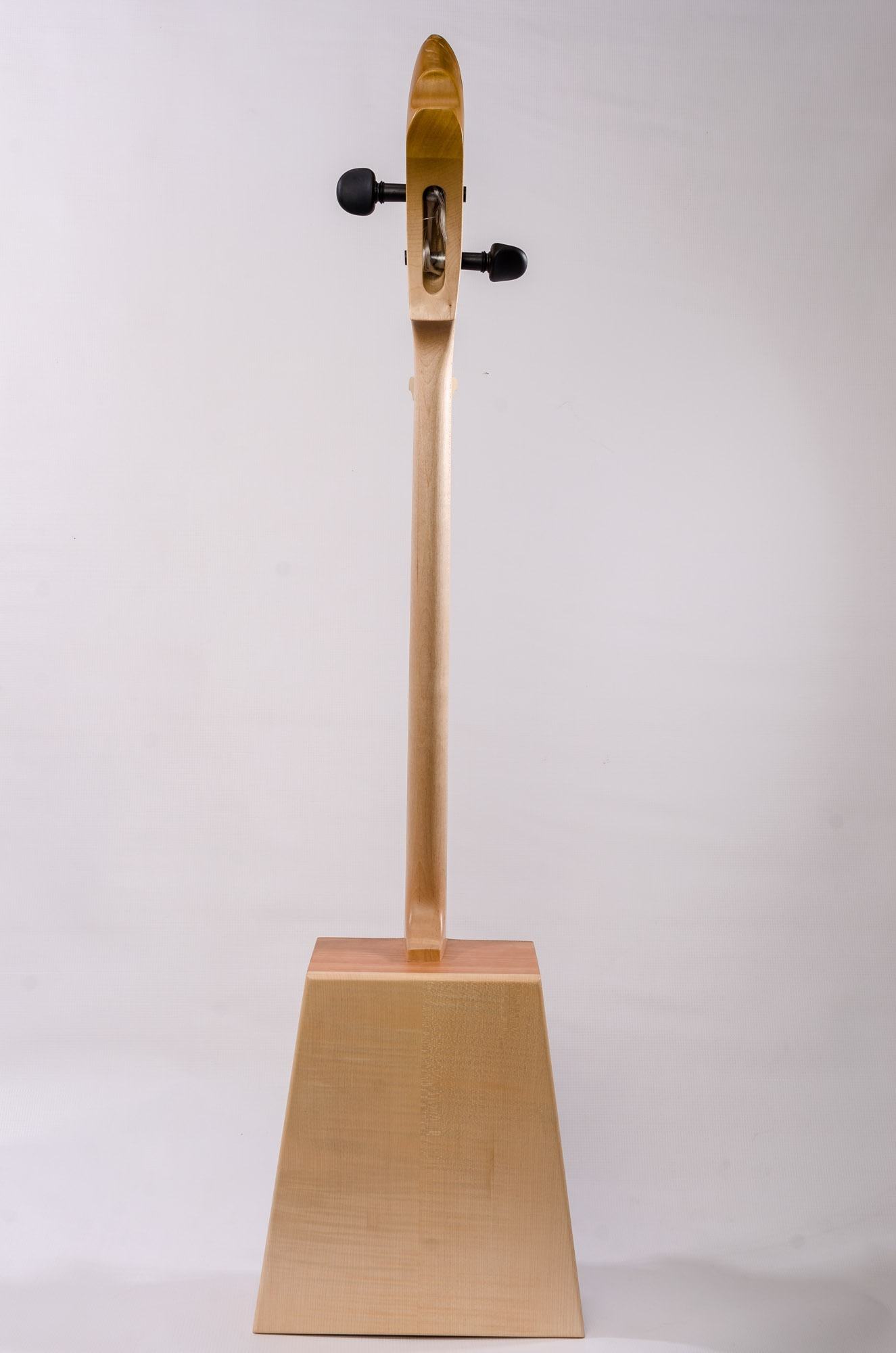
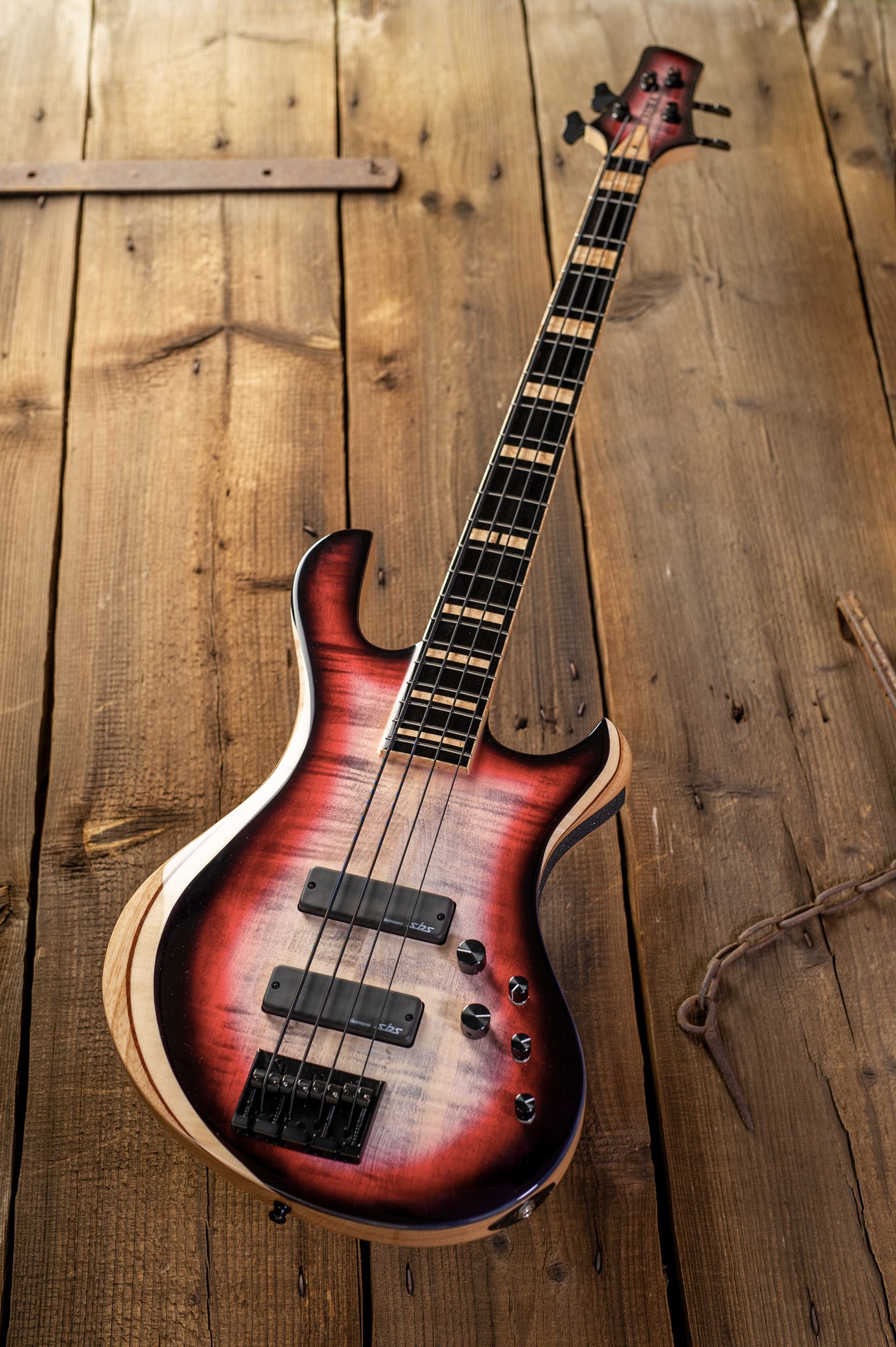
Morin Khuur Aura 2 ProMH

Morin Khuur Aura 2 ProMH is a handmade traditional string and string instrument.

Innovative modern look of historical musical instruments on AuraInstruments: Morin Khuur

We offer it in a modern, innovative presentation that combines authentic medieval construction using the most modern elements, components and technologies.

For more information on the Morin Khuur historical instrument, see below.

Morin Khuur used components and materials:

  • Corpus: Mahogany
  • Top: Resonant spruce
  • Neck: Maple
  • Fingerboard: Bubinga
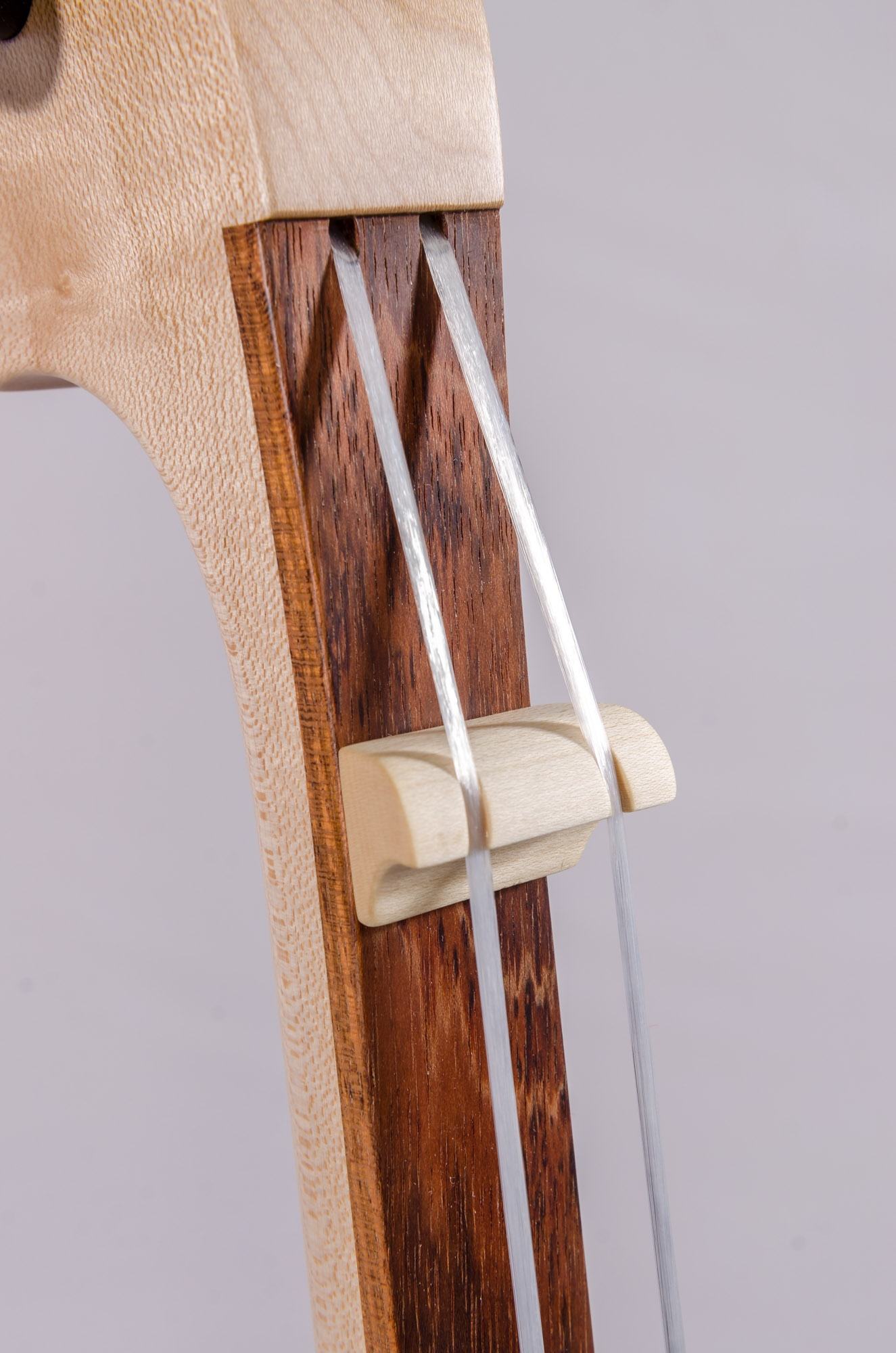
  • Bridge, Grasshopper, Zero Fret: Maple
  • Strings: Tuned in B F (nylon)
  • Number of strings: 2

History and origin of Morin Khuur

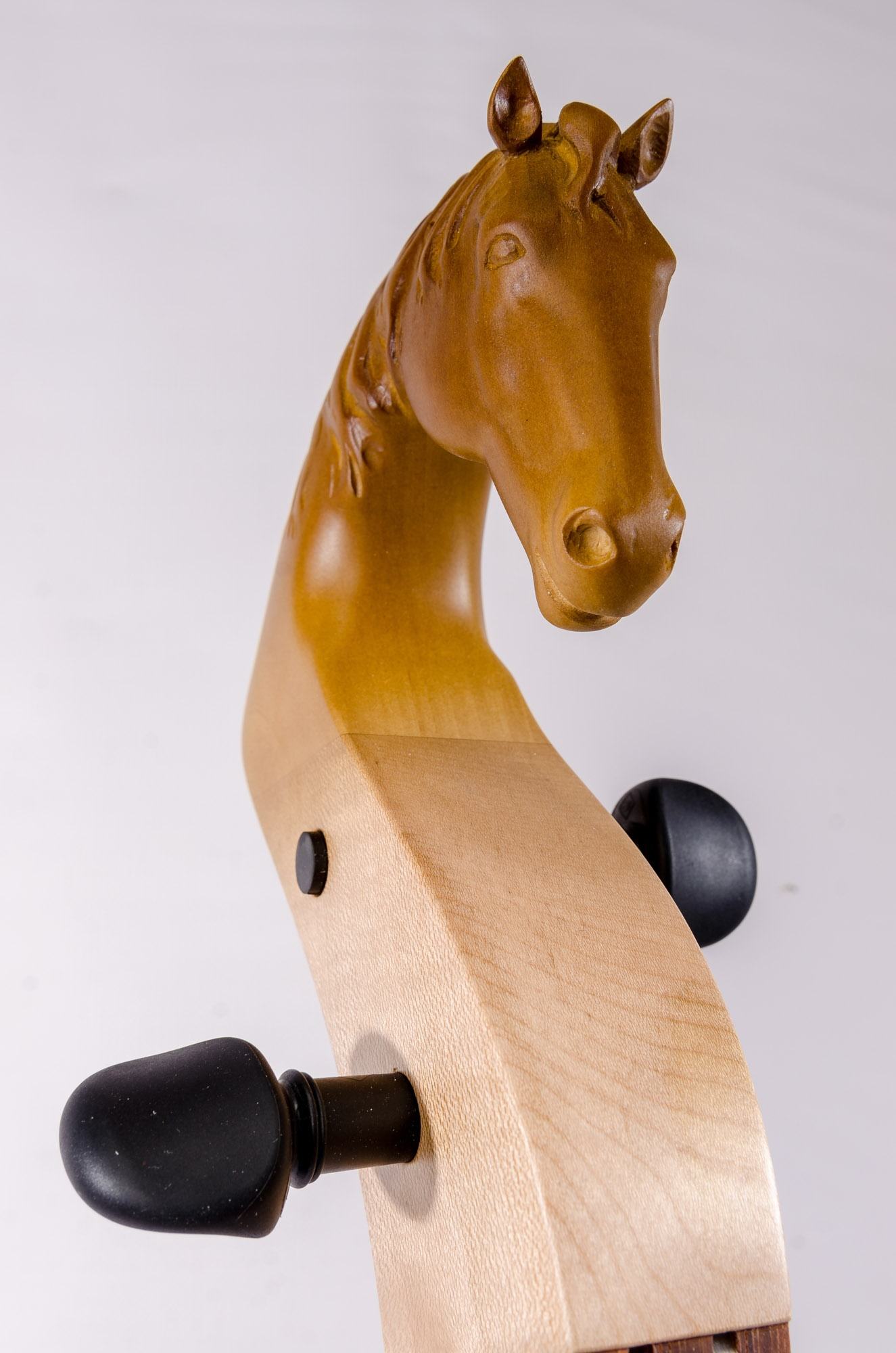
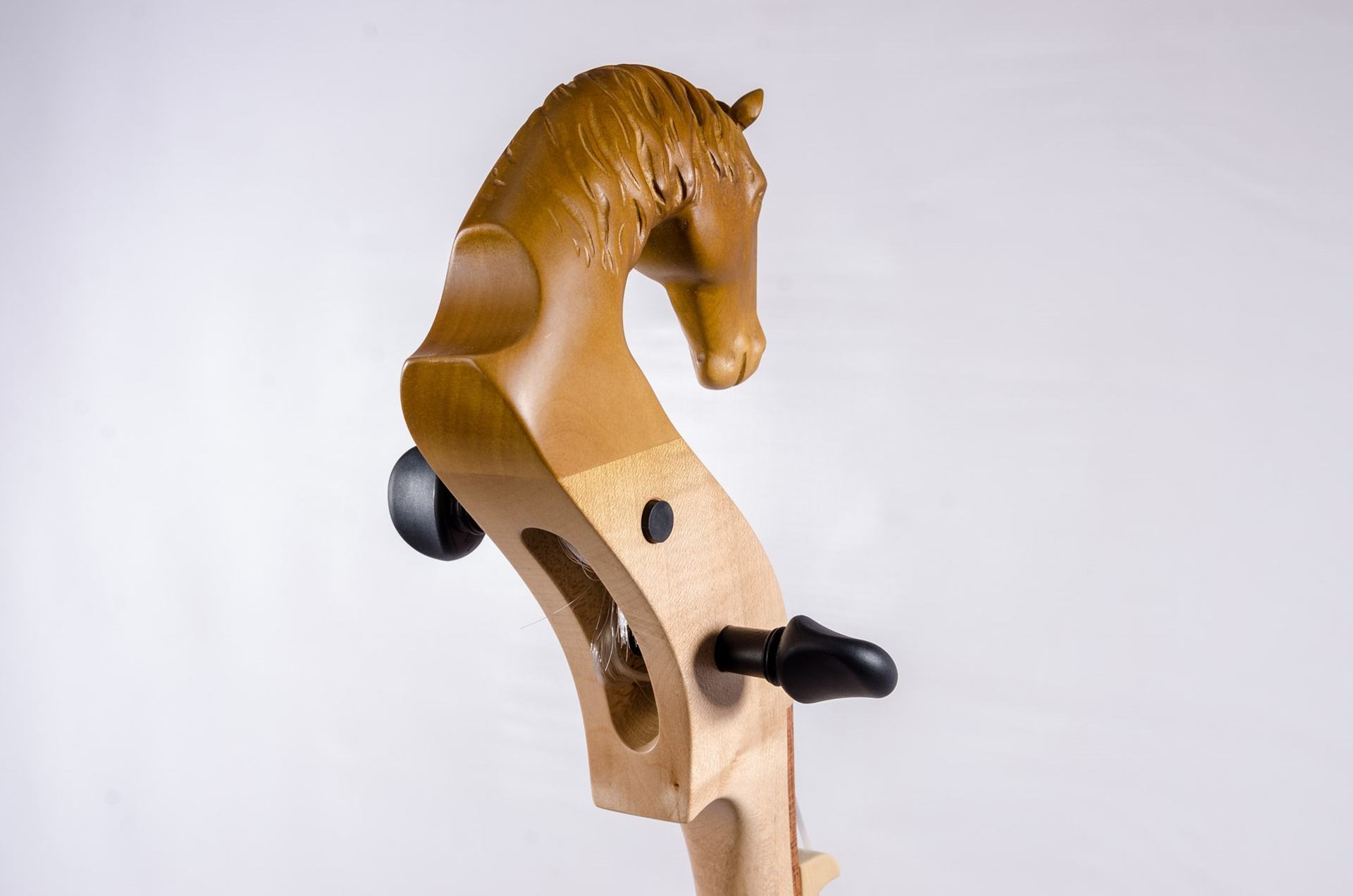
Morin Khuur is a traditional Mongolian instrument. It is also commonly translated as a horsehead fiddle (morin means horse and khuur violin or string instrument).

It is a string instrument with two strings. An unmistakable specialty of this instrument is its head in the form of a horse head.

The importance and importance of Morin Khuur for Mongolia

This instrument is of great importance for Mongolian tradition and culture - the Mongolian people consider it to be one of the most important musical instruments. To honor and celebrate this instrument, there are many festivals where it is played by both amateur and professional players. Even this instrument is considered a symbol of the Mongolian nation. In Mongolia it is possible to study the game at Morin Khuur and at the university.

Indeed, this instrument is of great importance to Mongols. They regard it as a symbol of peace and happiness - and perhaps that is why many Mongolian people have it at home.

Curiosity:

This tool is also of practical importance for the Mongolian population - it is used by farmers and camel breeders to calm the camels during difficult births, to support healing, calm the young, and so on. This practice is also captured by successful documentaries such as Byambasuren Davaa's Weeping Camel Story.

Structure and composition:

Morin Khuur is a trapezoid body (trapezoidal quadrilateral), a fingerboard that ends with a horse head and two strings. The strings of this instrument used to be made from horse mane. In the original instruments, the frame used to be wrapped with leather - either camel, goat or sheep skin.

Traditionally, Morin Khuur has a height of 1.15 meters. Strings tend to tune in B tuning.

Price: €1120.00

Ready to build the instrument of your dreams?

Customize the exact specs in our configurator, or contact us directly about this product.
Read article
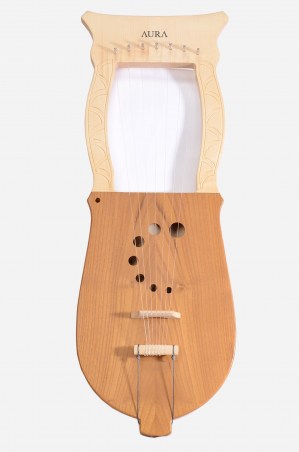
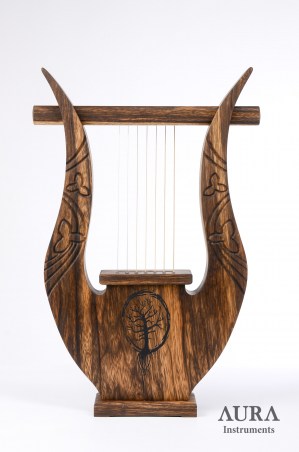
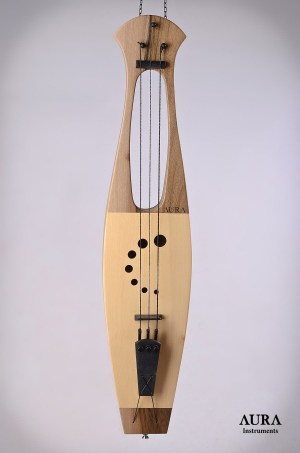
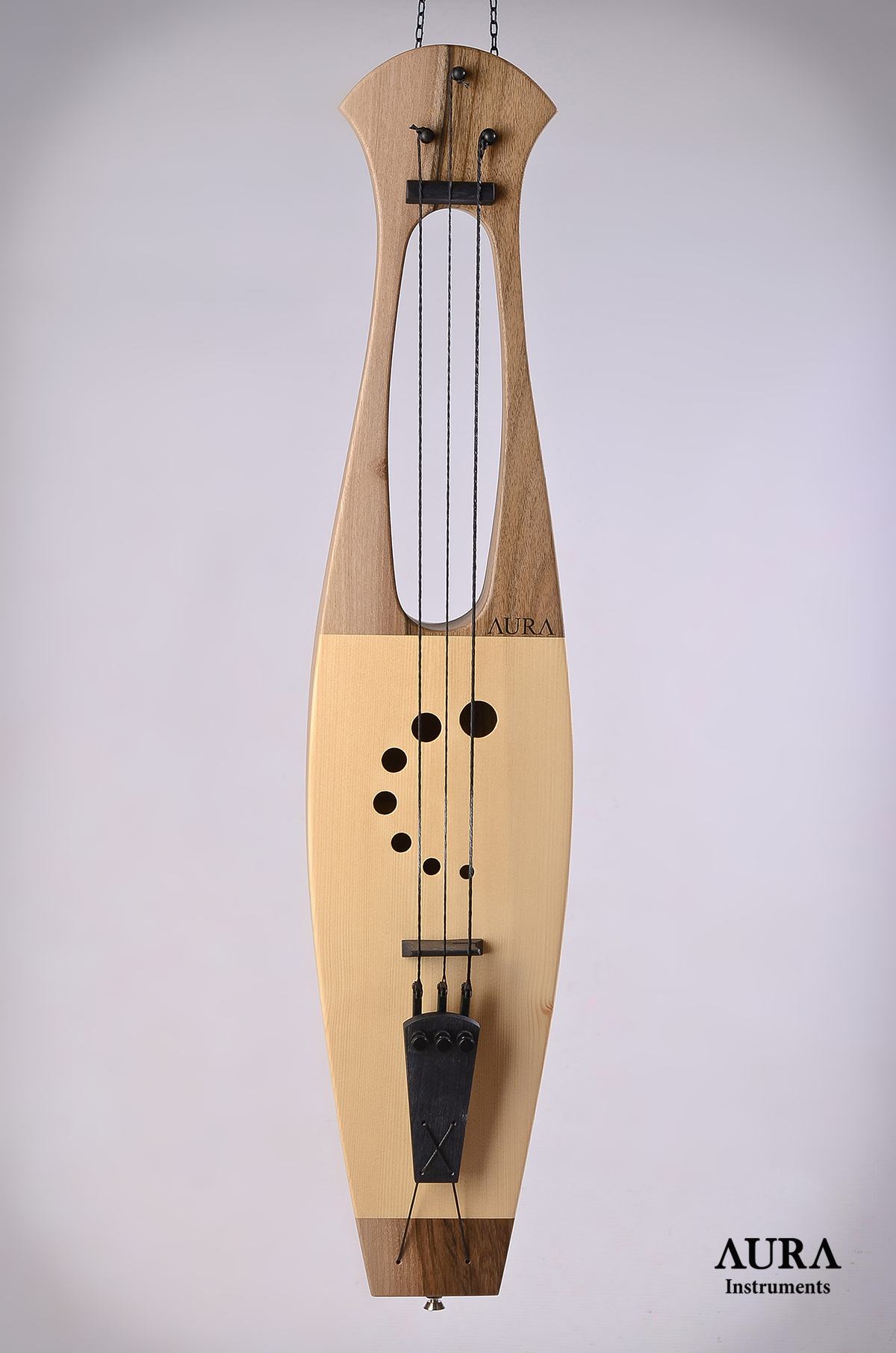
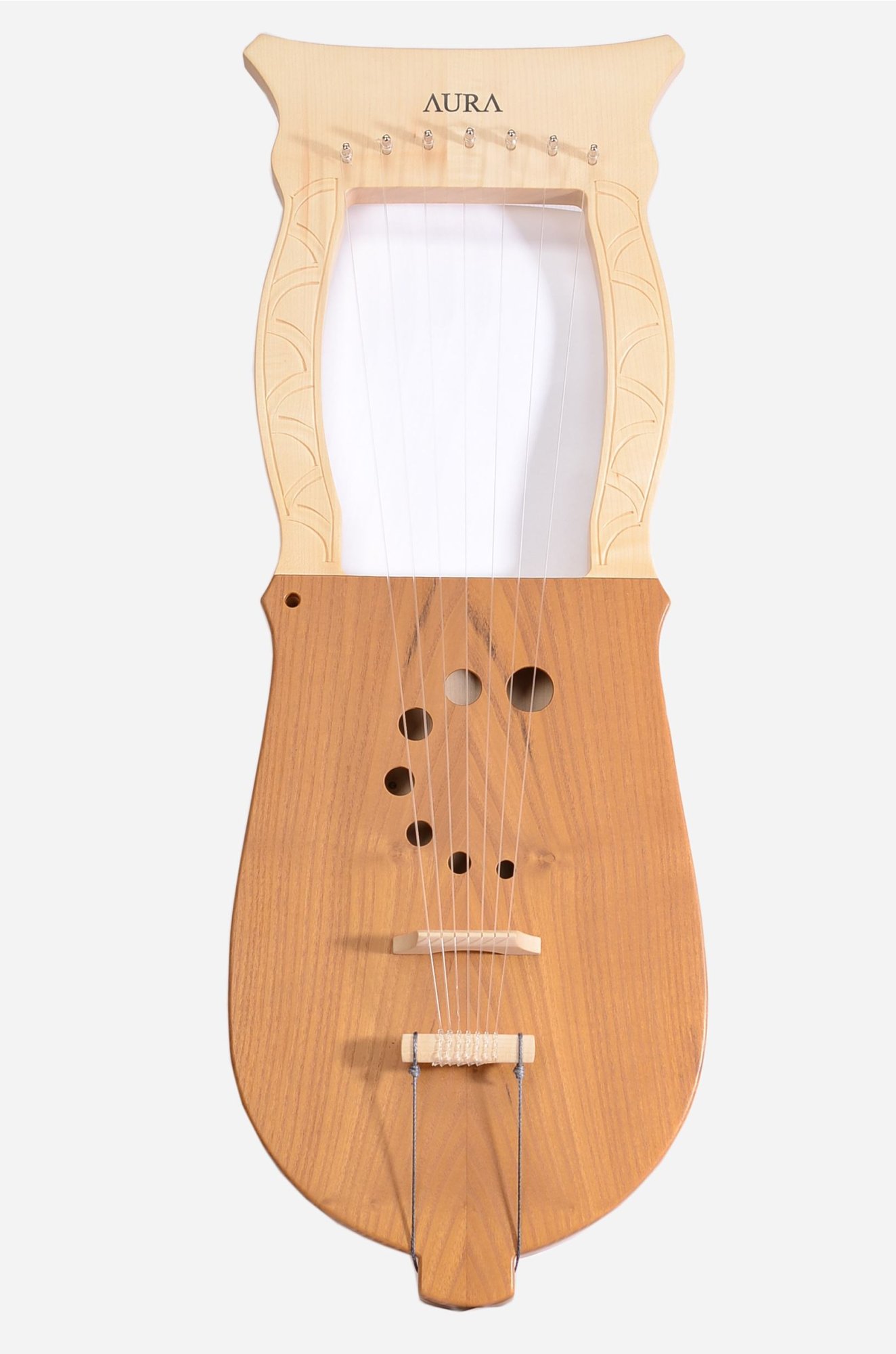
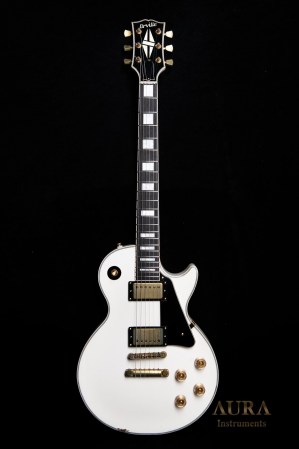
Kravik Lyre Aura 7 ProKL

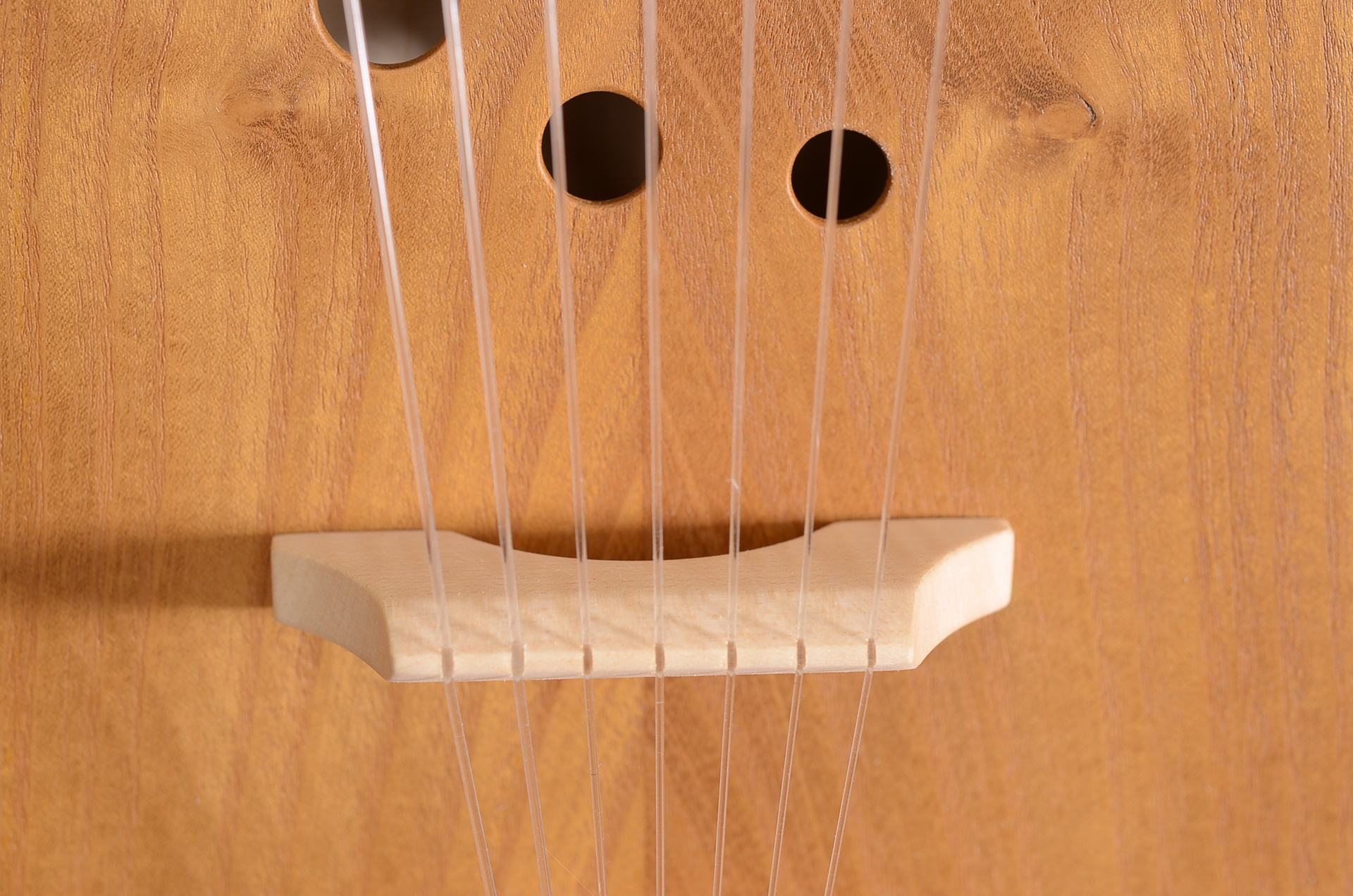
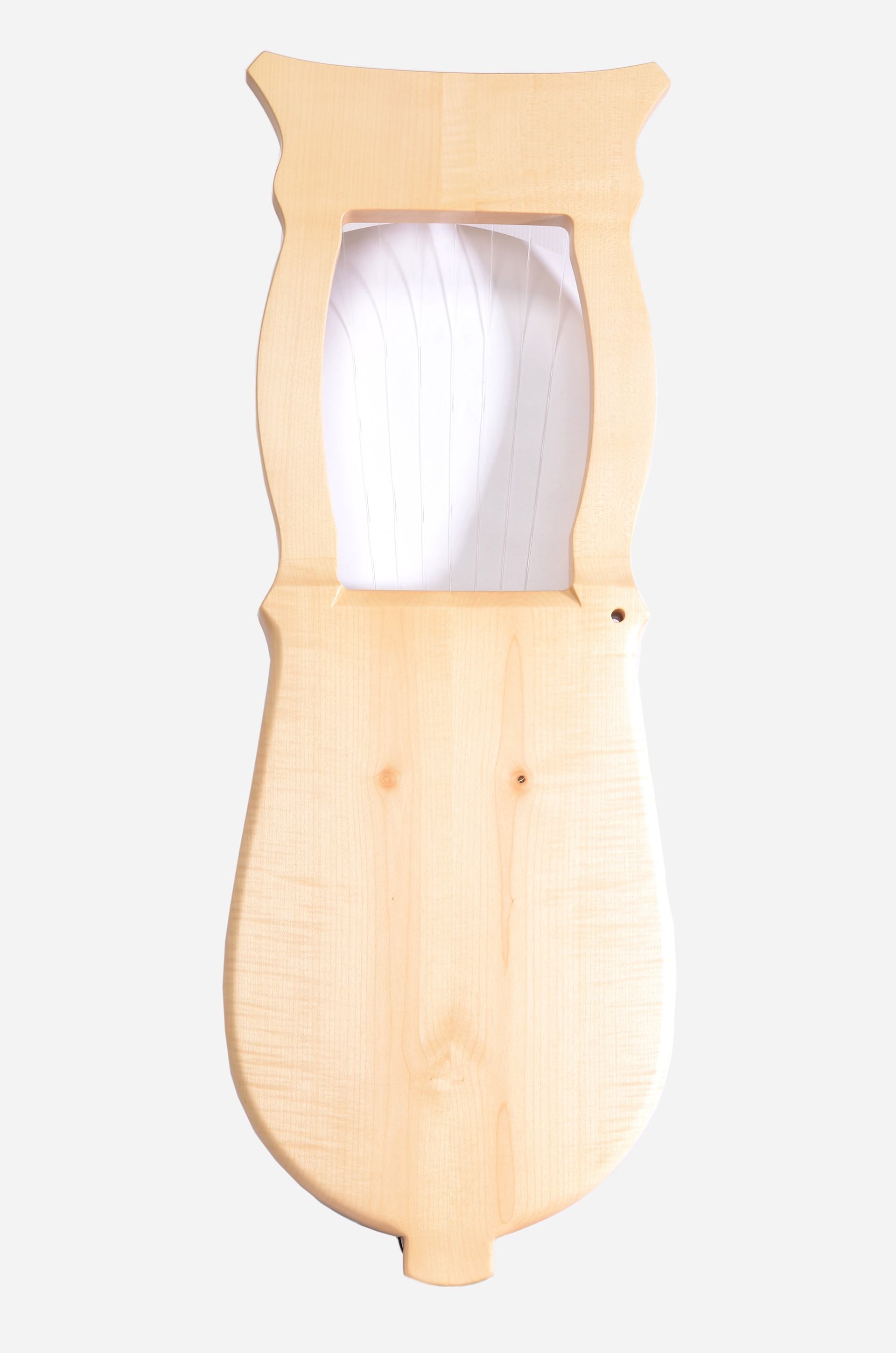
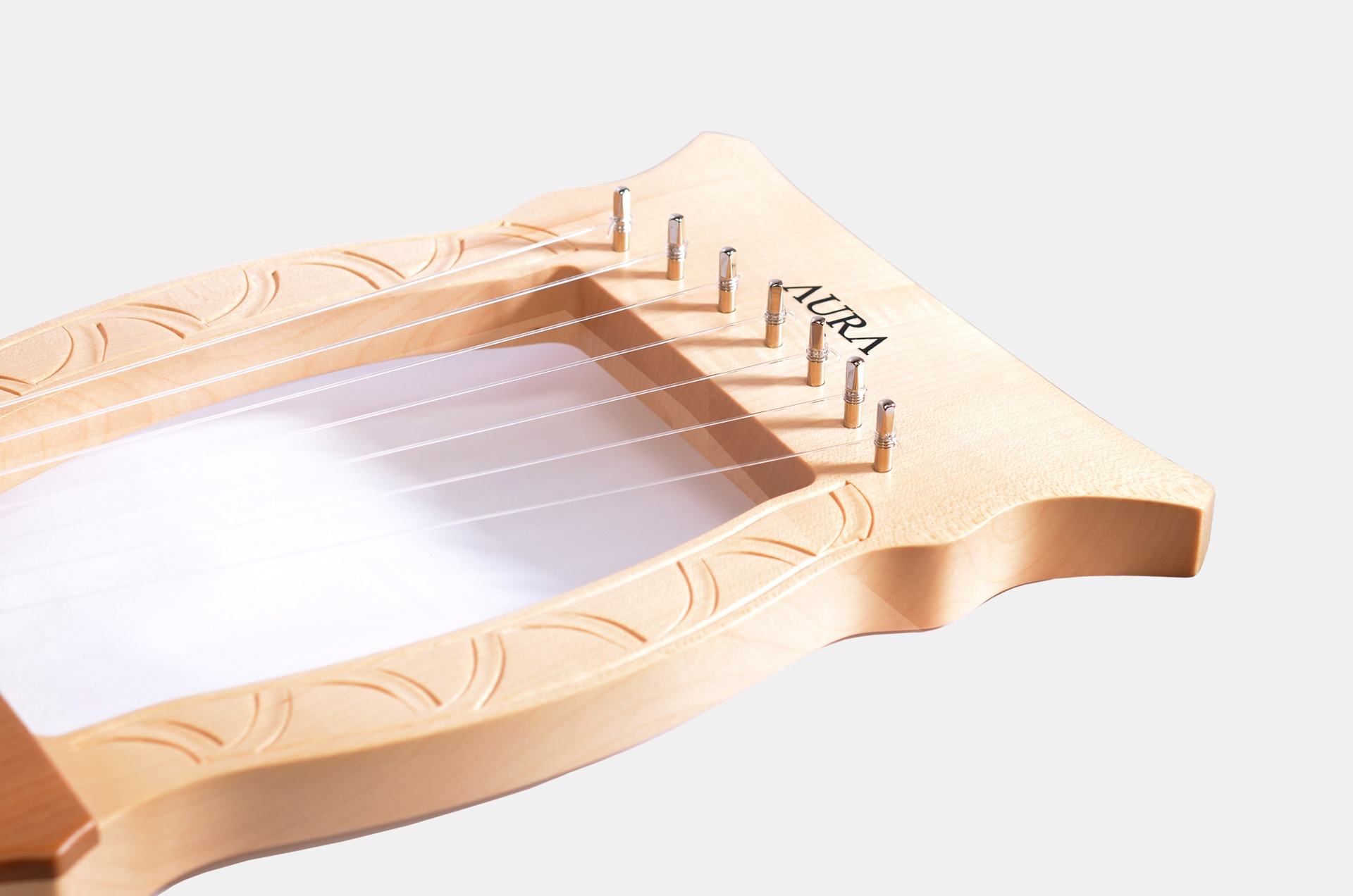
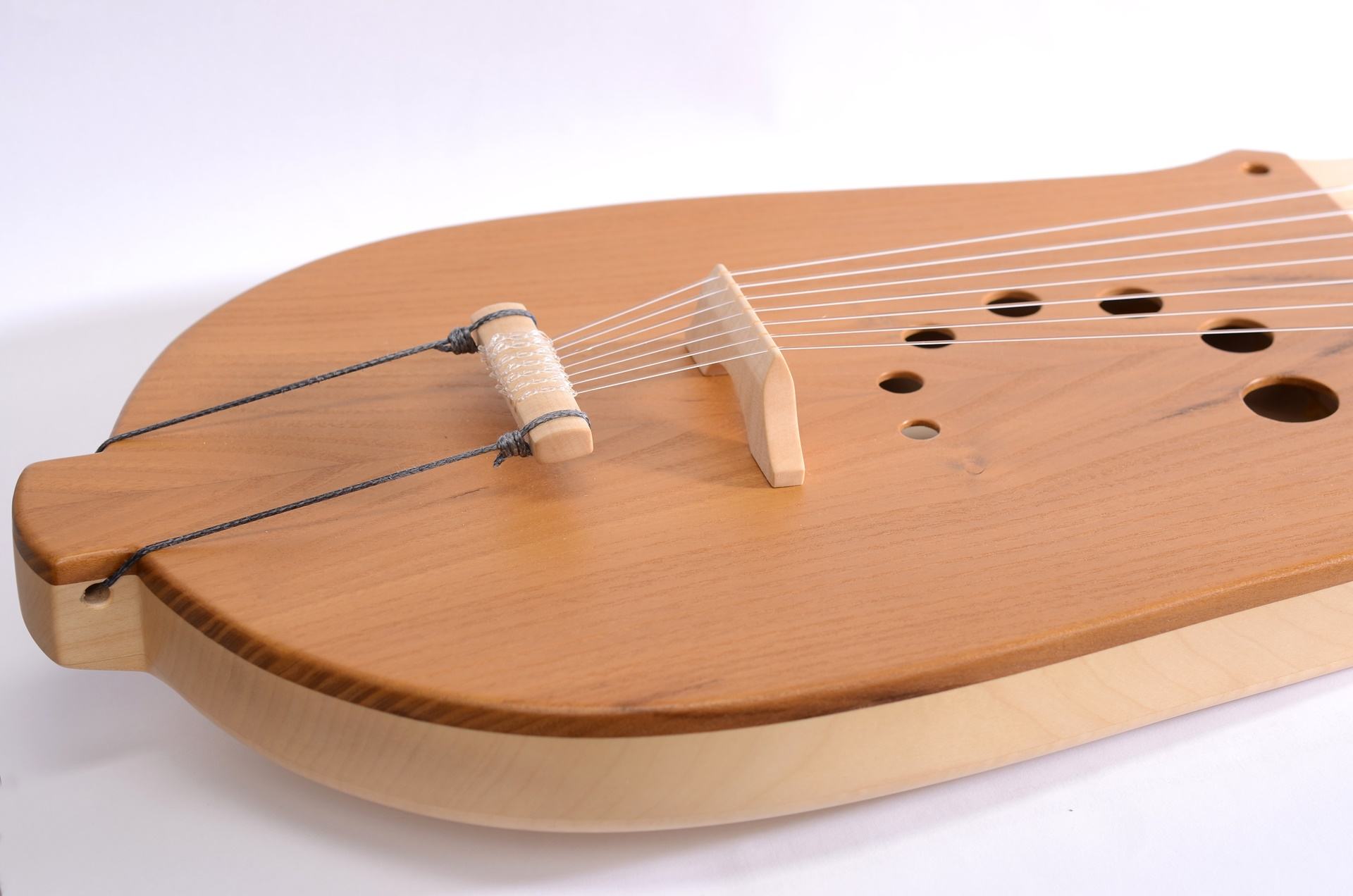
Kravik Lyra Aura 7 ProKL is a handmade medieval string instrument that we offer you in an innovative modern form.

Innovative modern look of historical musical instruments on AuraInstruments

Used components for Kravik lyre Aura 7 ProKL:

  • Body: Maple
  • Top: Ovangol
  • Tuning: C D E F G A B
  • Strings: Nylon
  • Finish: Saten Nitro Lacquer
  • Grasshopper, Bridge: Maple
  • Number of strings: 7

History and Origin of Kravik lyre:

Origin of Kravik Lyre

Kravik lyre is a Lyre of Scandinavian origin - from Norway. That is why it is often called The Norwegian Kravik Lyre.

Its present appearance and name is probably based on an instrument known as the archaeological find "Kravik Lyre". It was an "archaeological find" found on a Norwegian farm in the Numedal Valley. The tool has been preserved thanks to the fact that the owners carried it from generation to generation as a precious treasure.

Thanks to this, later exact replicas of the preserved lyre could be created.

Which year does Kravik lyre come from?

It has long been assumed that this musical instrument comes from Norway from the 14th century. However, scientific tests - based on carbon - have found that it most likely dates back to the 16th century.

Late continuation of the striking lyre in Europe

Even if it dates back to the 16th century, Kravik lyre still represents the late continuation of the striking lyres in Northern Europe - probably marks the beginning of the end of an era of such striking lyres, which have gradually replaced more string harps and various string instruments.

Composition of the original Kravik Lyre

The original Kravik lyre was made and carved from a piece of pine wood, and many parts, including the sound board and baffle, were unfortunately not preserved.

Reborn of the original Kravik Lyre

Although the bridge was not preserved on the original instrument, bridges found in other areas of Norway helped to re-establish the original Kravik Lyre. So these bridges were used as the basis for the bridge to renovate Kravik Lyre.

Some of today's Kravik Lyres are made with eight strings - and with eight holes in the lyre body - the original Kravik lyre had seven strings - and seven holes in the lyre body.

The popularization of Kravik Lyre nowadays

The credit for the popularization of Kravik Lyre is the Norwegian musical instrument maker Sverre Heimdal, who was the first to produce a replica of the original Kravik Lyre and has made a major contribution to the popularization of this atypical musical instrument.

Positioning String Pins - Front or Back?

Today's producers of Kravik Lyre argue how the strings were originally placed - whether they were placed from the back or front of the instrument. Some place them in the front, others in the back - or leave it to the customer's choice.

Sverre Heimdal popularizer of today's Kravik Lyre:

Sverre Heimdal was the first manufacturer to produce Kravik lyre with strings placed at the back of the instrument. And the other manufacturers were inspired by it. So, it can make it difficult to determine what pin placement the original lyres had.

Famous manufacturer of medieval instrument - Michael King:

Another well-known world manufacturer of medieval musical instruments, Michael King, believes that strings have been placed on the back - this is mainly due to the fact that fitting the strings at the back works well and provides a larger break angle. And according to him, this is also likely because other lyres - for example, lyre Jouhikko were produced in this way.

In any case, the makers of these instruments and their fans agree that the sound does not affect the location of the strings. Rather, it is mainly an aesthetic function.

What is lyre:

Lyre is one of the first string instruments. It consists of a wooden body (originally supposedly used for the production of body shell of turtles), a sound box connected to the partition and two arms. It usually contains seven pins and seven strings.

The oldest lyres were confirmed already in ancient Mesopotamia but also in ancient Egypt, Greece and Rome.

Price: €940.00

Ready to build the instrument of your dreams?

Customize the exact specs in our configurator, or contact us directly about this product.
Read article
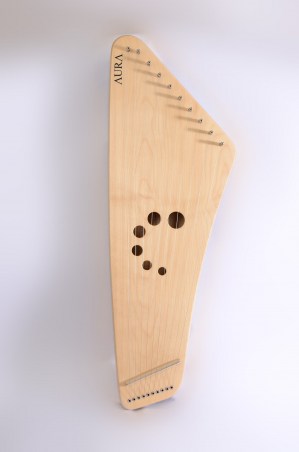
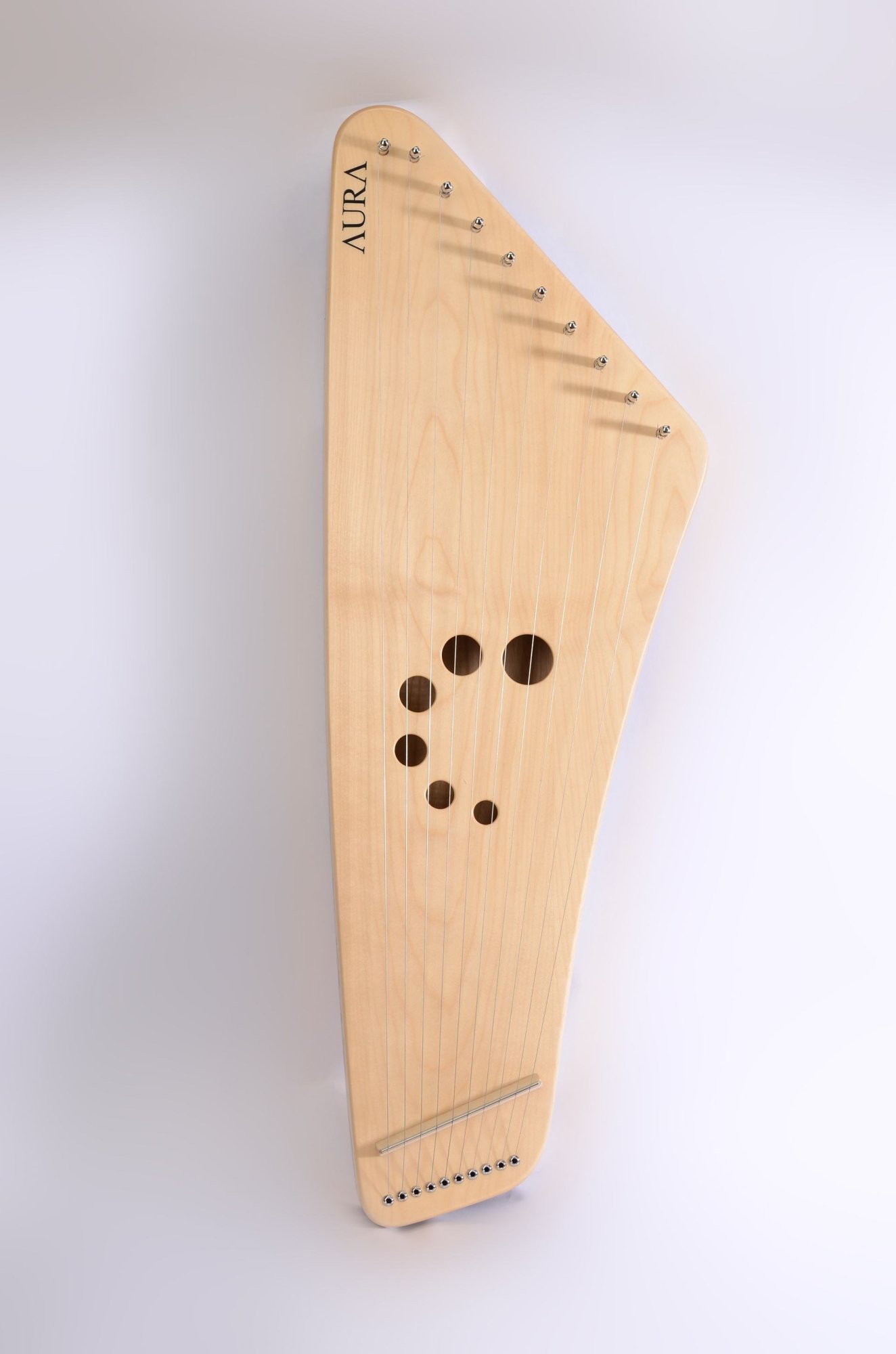
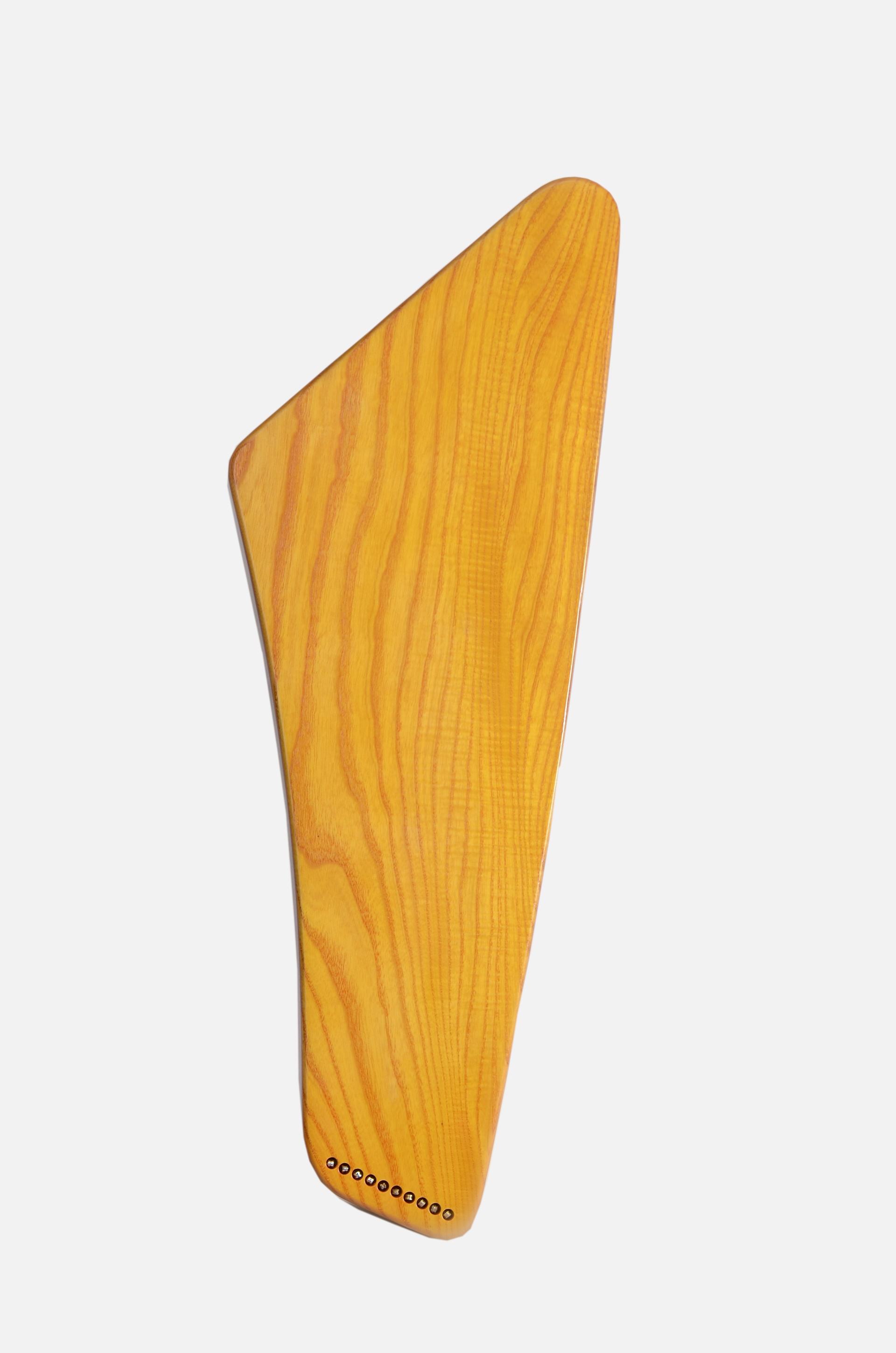
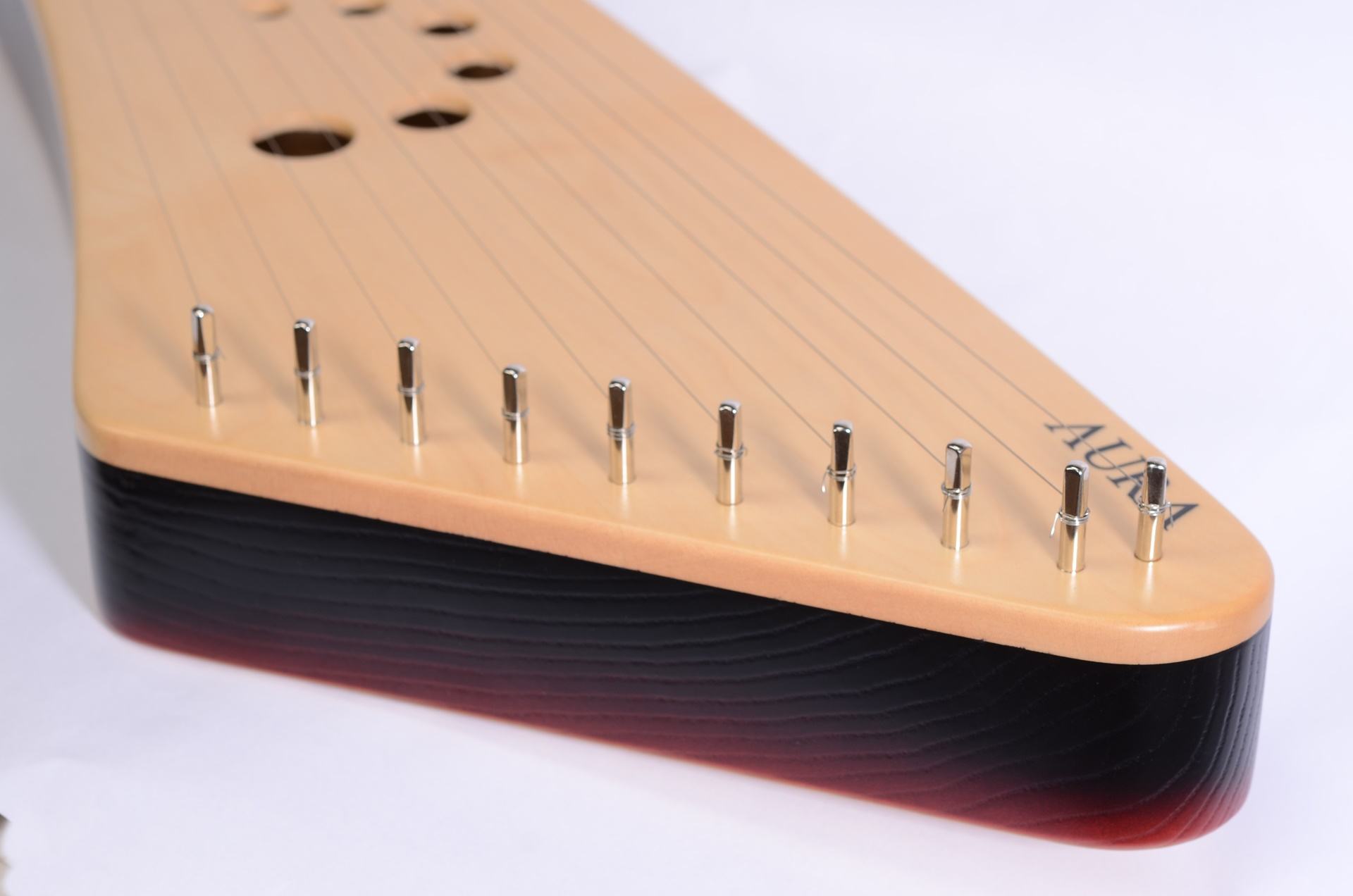
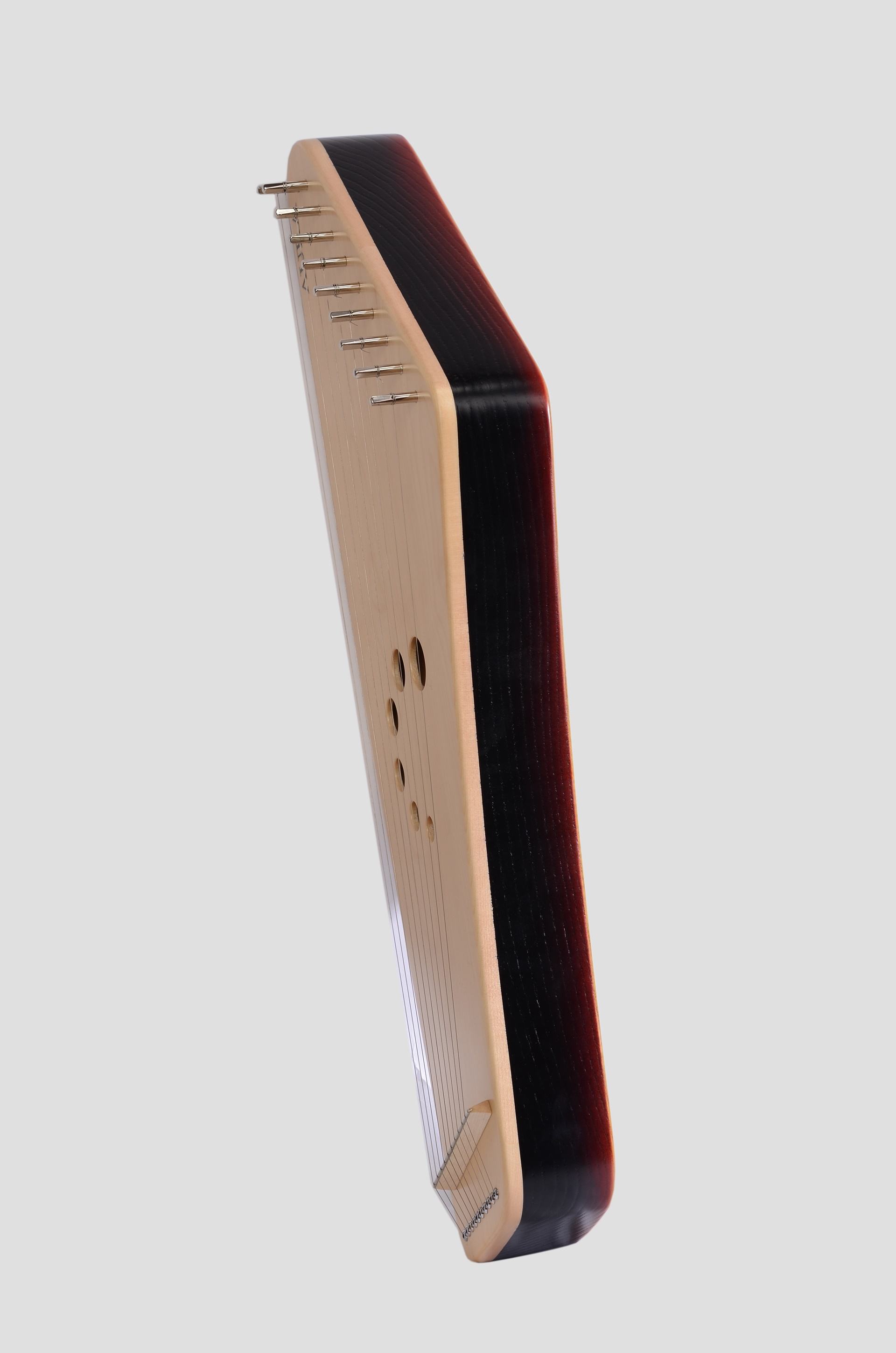
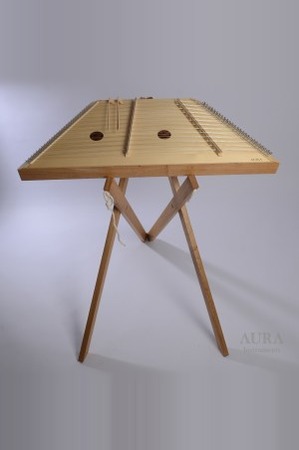
Kantele Aura 12 ProK

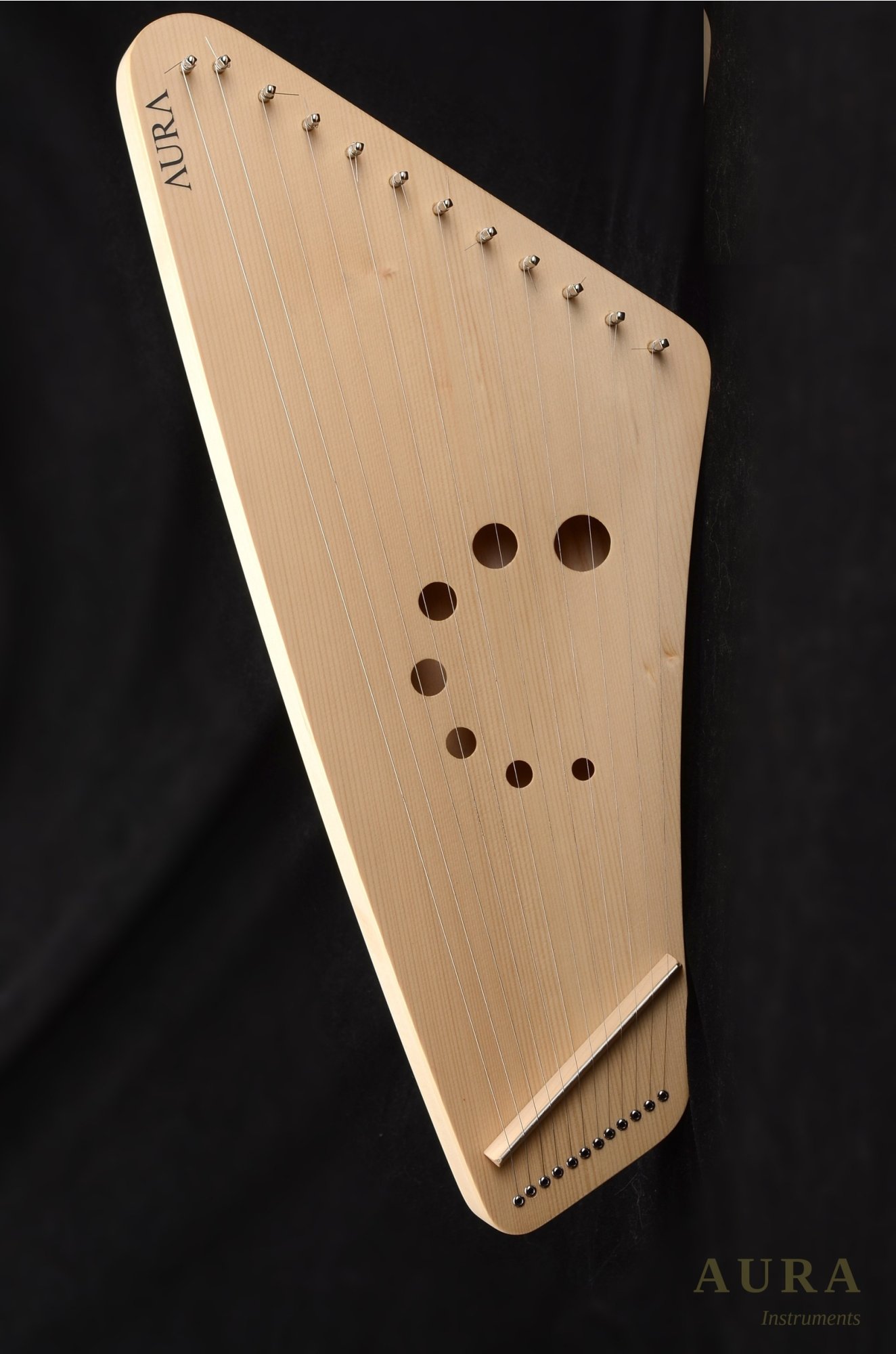
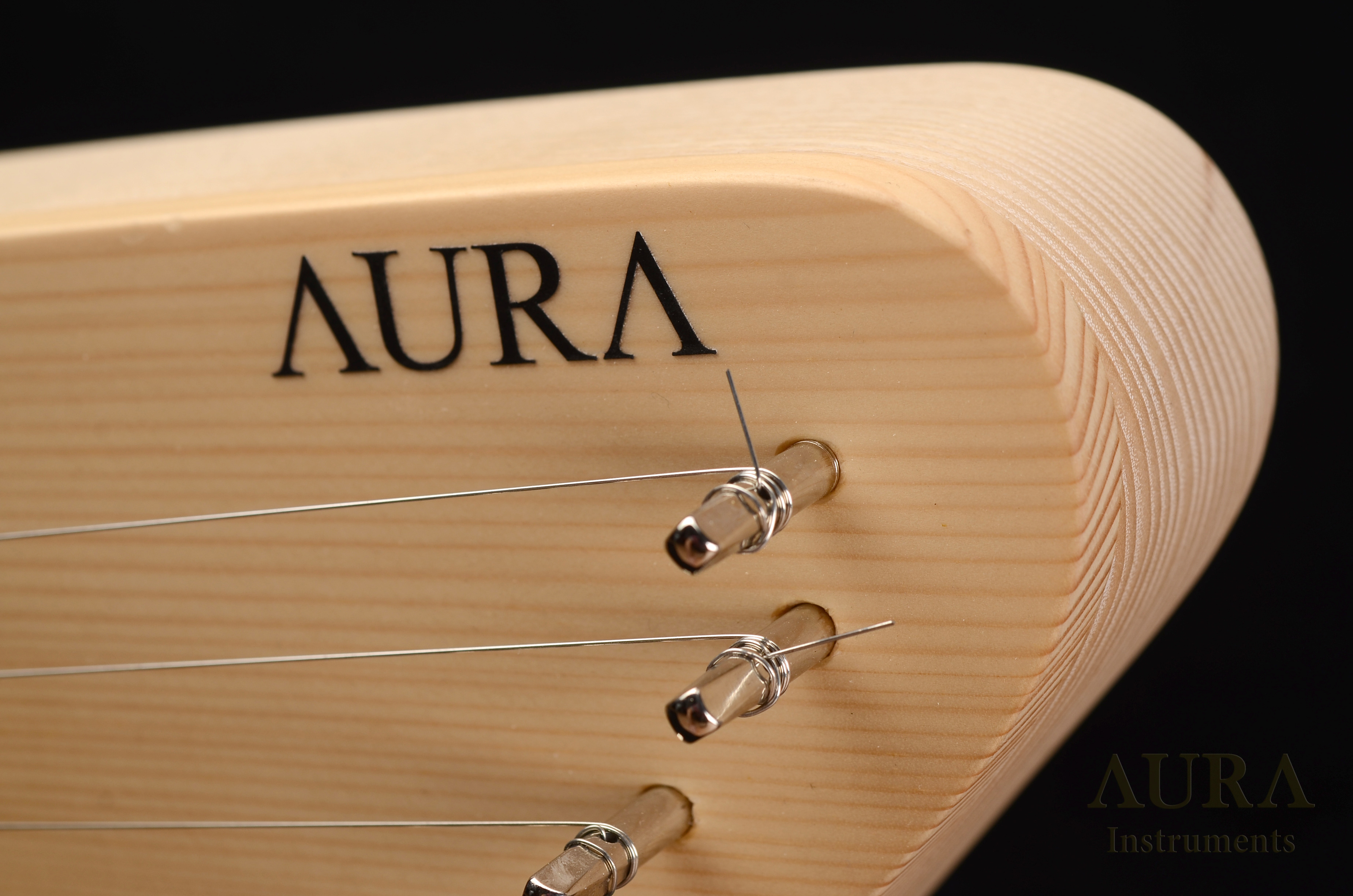
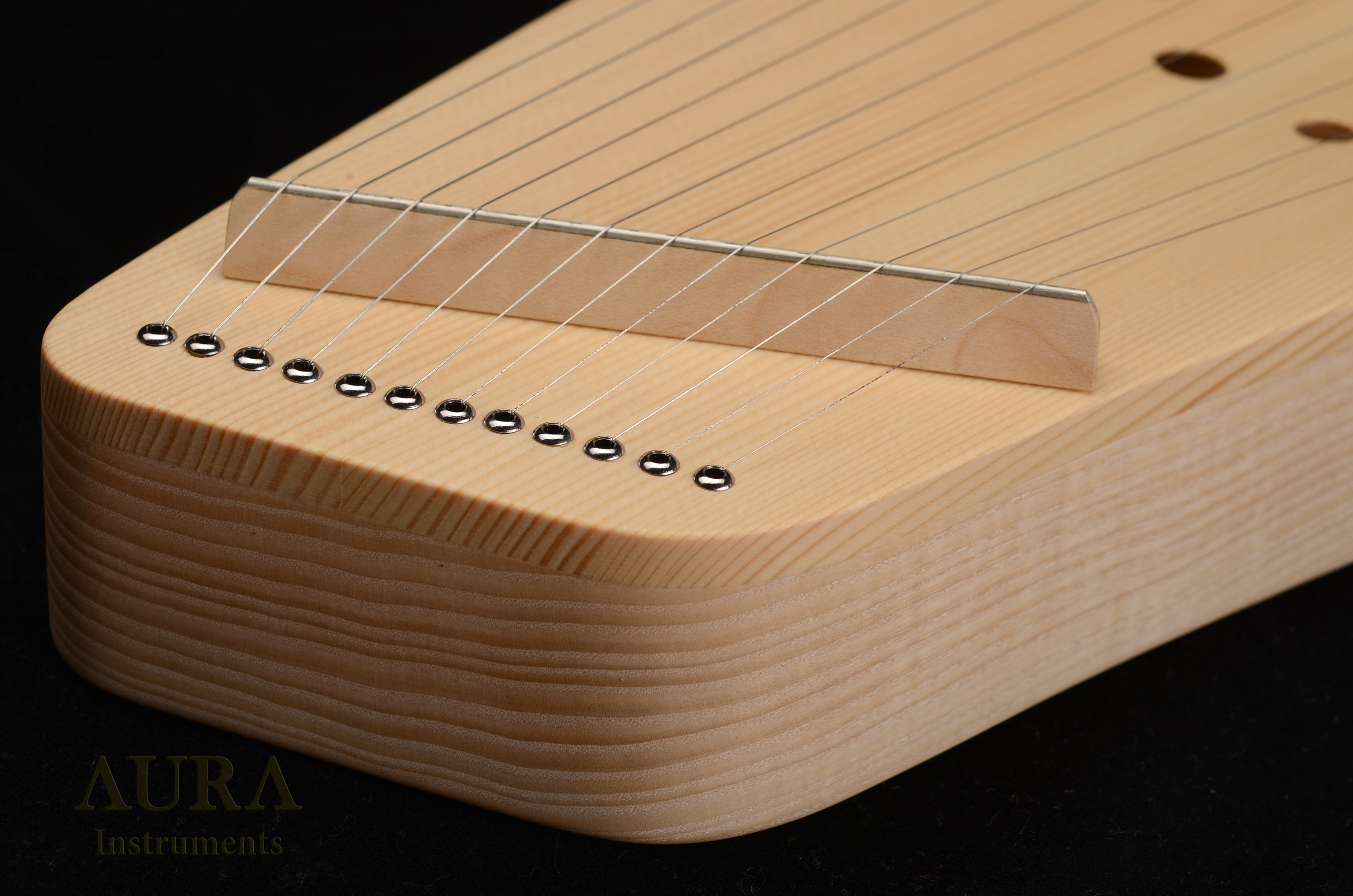
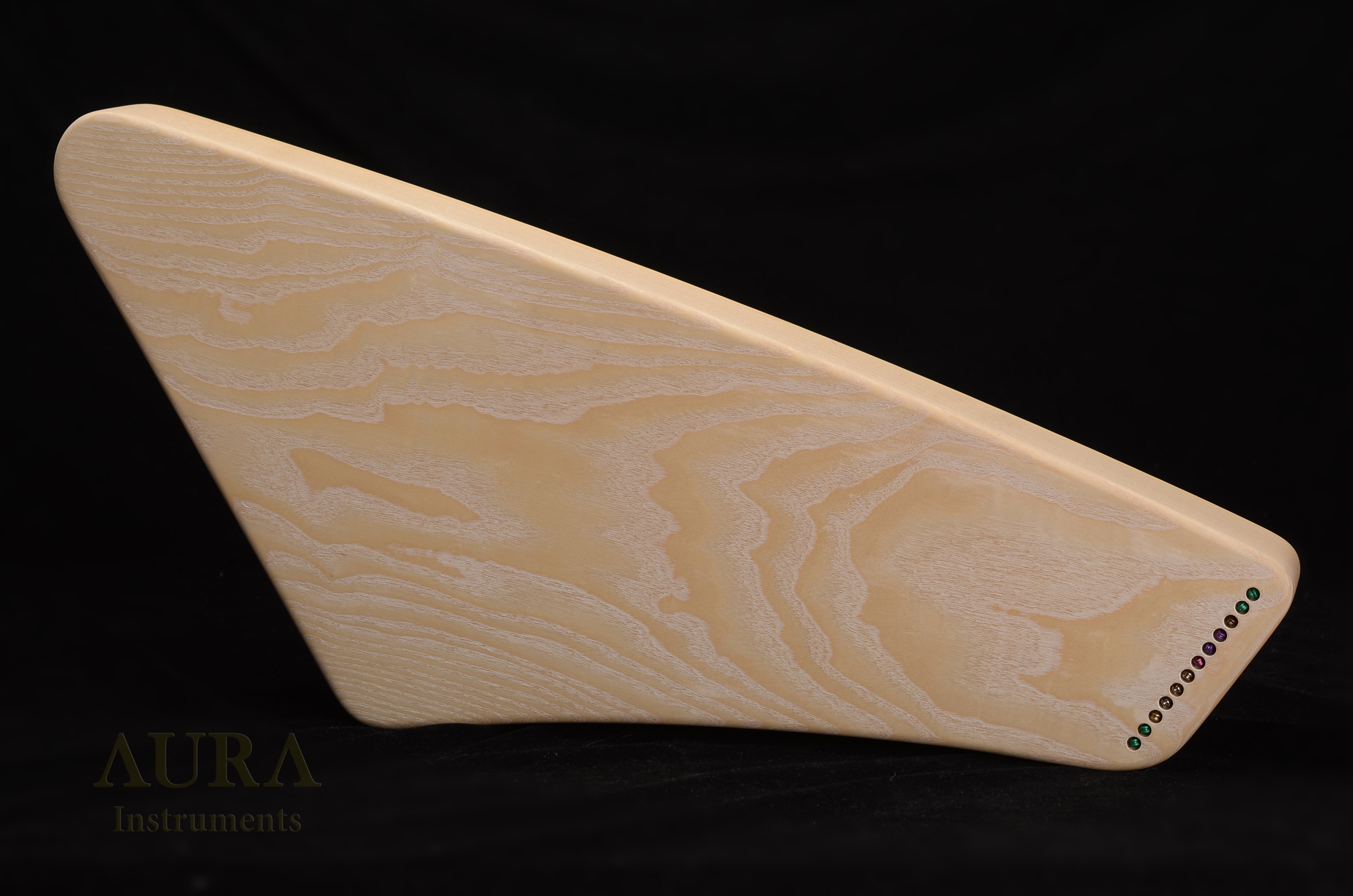
Kantele Aura 12 ProK is a handmade medieval string instrument with 12 strings.

Innovative modern look of historical musical instruments on AuraInstruments: Kantele 12 ProK

We offer it in a modern, innovative presentation that combines authentic medieval construction using the most modern elements, components and technologies.

Kantele Aura 12 ProK is mirror-inverted:

The tool is mirror-inverted for a better adjustment of the right-hand game. This brings the bass strings to thumb level and the top strings to finger level. Guitarists will especially appreciate the turning of the strings. The twelve-string cantellas cover a range of one and a half octaves. It is possible to tune it to different tones and use different diatonic, chromatic, pentatonic and other tunings. Guitar strings can be used on the kantele.

Kantele Aura 12 ProK used components and materials:

  • Body: Ash
  • Top: Maple
  • Finish: Satin nitro lacquer
  • Tuning: C D E F G A H C D E F G F
  • Number of strings: 12

History and origin of Kantele

Kantele is a traditional Finnish and Karelian (Karelia is a country between Russia and Finland) string stringing musical instrument - sometimes known as Kannel. Along with other instruments such as Russian Gusle, Latvian Kokle and Lithuanian Kanklės it is ranked among the Baltic Žaltara (Žaltar is a collection or collection of psalms).

Its age cannot be determined precisely - however, several scientists agree that the origin of the cantella may well be as far back as 1000-2000 years ago.

This musical instrument has a characteristic clear bell-like sound and has been strongly associated with the ancient art of runic singing. This is perhaps because Kantele has a very calm, harmonious sound of contemplative quality. This sound easily pulls the listener into its calm keys, soothes and looks very magical.

The original number of strings and the construction of the tool

Kantele's oldest instruments waved five or six strings. The strings were made of horse's hrivy. The body of this instrument is hollow and made mainly of alder, pine or spruce.

The Finnish cantelles were mostly tuned in diatonic tuning (one octave scale composed of five full tones and two semitones).

Legends and epics

Legends describe the mythical origin of Kantele in the national epic of Kalevala, where the magician Väinämöinen makes the first instrument of Kantele from the bones of the giant pike jaw and from several hairs of Hiissi's horse (Hiissi is a Finnish mythological demonic being or Satan himself). The music this instrument creates and sounds attracts all forest creatures to wonder and admire the beauty of the leached tones. Later, the wizard loses this tool.

Then the sorceress Väinämöinen saddened by her loss, produces other, wooden Kantele from birch wood and with the help of a willing girl's hair. He finds that this instrument also provides the same deep charm and magic. This tool leaves behind as a great gift.

The use of Kantele at present

Kantele is a tool with which you can achieve a very interesting and beautiful sound that can express a wide range of different emotions, moods and feelings. It can be used - and many artists also use it - to play a traditional waltz or polka. It can also be used to play traditional folk music. And many artists also use it for a pleasant background sound for a variety of meditations and meditation backgrounds.

Using Kantele in movie Narnia

An interesting feature is the use of Kantele in the well-known and relatively successful film Narnia: The Lion, Wardrobe and Witch of 2005. Music composer Harry Gregson-Williams used Kantele in this film in an excellent way - with the help of the Finnish artist and musician Timo Väänänen harmonious sounds to bring the atmosphere of an icy, snowy, calmly mysterious landscape closer.

Studying playing music at Kantele

In Finland, Kantele is so popular that there is also great interest in professionally studying the game on this unique musical instrument.

There are a number of schools, conservatories and music institutes where you can study Kantele. Even Sibelius Academy offers study on this instrument. Kantele is used by several Finnish composers, even for the orchestra.

Probably the most famous musician of the Kantele play is the artist and professor Martti Pokela.

Finnish producer Kantele Koistinen has even developed electronic pickups for this instrument - similar to electric guitars - and this innovation has attracted many metal bands that are also involved in folk music.

Price: €370.00

Ready to build the instrument of your dreams?

Customize the exact specs in our configurator, or contact us directly about this product.
Read article
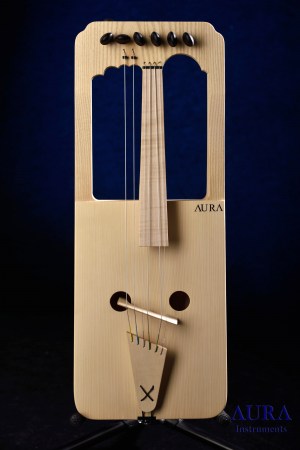
Kantele Aura 10 ProK

Kantele Aura 10 ProK is a handmade medieval string instrument with 10 strings.

Innovative modern look of historical musical instruments on AuraInstruments

We offer it in a modern, innovative presentation that combines authentic medieval construction using the most modern elements, components and technologies.

Used components and materials:

  • Body: Ash
  • Top: Maple
  • Finish: Satin nitro lacquer
  • Tuning: C D E F G A H C D E F G F
  • Number of strings: 10
  • Steel strings across the body
Price: €340.00

Ready to build the instrument of your dreams?

Customize the exact specs in our configurator, or contact us directly about this product.
Read article
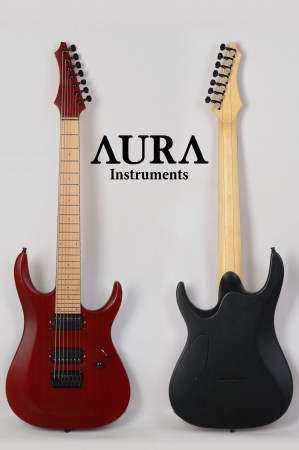
Bass guitar Aura 4 ProBass

Bass guitar Aura 4 ProBass is a handmade bass guitar with professional sound.

Used components:

  • Number of strings: 4
  • Neck: Lamella flame maple
  • Points: Swampash + Flame maple + Mahogany
  • Fingerboard: Ebony special
  • Machine Head: Gotoh super ultra lite
  • Bridge: Gotoh / 19mm Saddle
  • Pickups: 2 x Humbucker kit shs
  • Fret Wire: 2.5 Special Steel
  • Frets: 21
  • Scale: 35 "
  • Electronic: 1x Master volume push pull (active / passive)
  • 1x Pickup blend control
  • 1x Tone stacked control (passive)
  • 1x Treble control
  • 1x Bass control
Price: €2300.00

Ready to build the instrument of your dreams?

Customize the exact specs in our configurator, or contact us directly about this product.
Read article

Listing controls

67 items total
Top